


As a supplier of syringe pumps, I often encounter inquiries about the potential use of our products for insulin delivery. This topic is of great significance, especially considering the increasing prevalence of diabetes worldwide. In this blog post, I will delve into the technical aspects, advantages, limitations, and safety considerations of using a syringe pump for insulin delivery.
Technical Feasibility
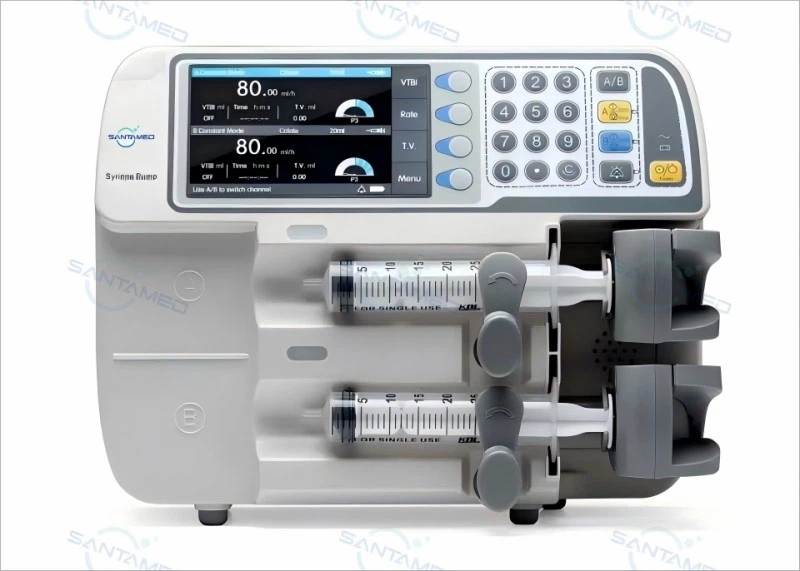
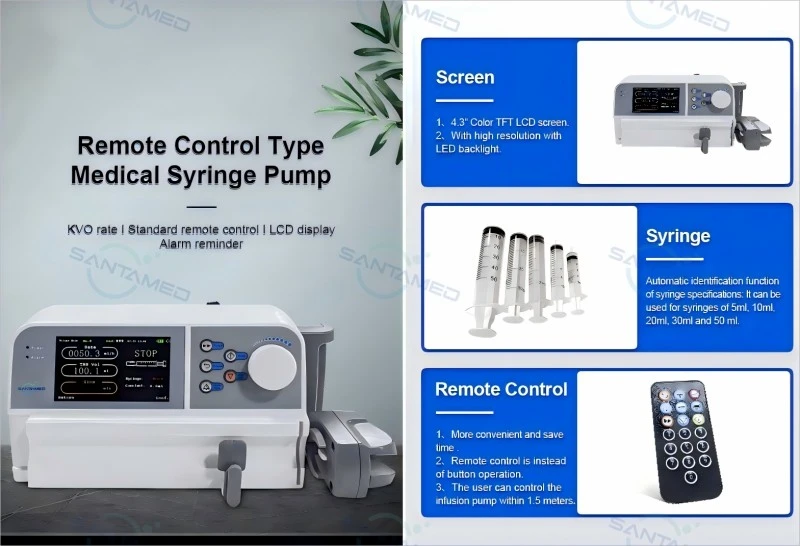
Syringe pumps are designed to deliver fluids at a precise and controlled rate. They work by pushing a syringe plunger at a constant speed, allowing for accurate dosing. Insulin, a hormone crucial for regulating blood sugar levels, requires precise dosing to manage diabetes effectively. In theory, a syringe pump can provide the level of precision needed for insulin delivery.
Most syringe pumps on the market offer a wide range of flow rates, which can be adjusted according to the patient's needs. This flexibility is essential for insulin delivery, as the required dosage can vary depending on factors such as the patient's diet, exercise level, and overall health. Additionally, syringe pumps can be programmed to deliver insulin in a continuous or intermittent manner, mimicking the natural secretion of insulin by the pancreas.
Advantages of Using a Syringe Pump for Insulin Delivery
Precision Dosing
One of the primary advantages of using a syringe pump for insulin delivery is the ability to achieve precise dosing. Unlike traditional insulin injection methods, which may result in inconsistent dosing due to factors such as needle size, injection technique, and human error, a syringe pump can deliver insulin at a constant and accurate rate. This precision can help patients maintain better blood sugar control and reduce the risk of complications associated with diabetes.
Flexibility
Syringe pumps offer greater flexibility in insulin delivery compared to other methods. They can be programmed to deliver insulin in a variety of patterns, including basal (continuous) and bolus (intermittent) doses. This flexibility allows patients to customize their insulin therapy according to their individual needs and lifestyle. For example, patients who engage in physical activity may require a different insulin dosing pattern than those who lead a sedentary lifestyle.
Continuous Delivery
In some cases, continuous insulin delivery may be necessary to maintain stable blood sugar levels. Syringe pumps can provide continuous insulin delivery over an extended period, eliminating the need for multiple injections throughout the day. This can be particularly beneficial for patients with type 1 diabetes, who require a constant supply of insulin to survive.
Limitations of Using a Syringe Pump for Insulin Delivery
Cost
One of the main limitations of using a syringe pump for insulin delivery is the cost. Syringe pumps can be expensive, especially when compared to traditional insulin injection methods. Additionally, the cost of disposable syringes and other accessories can add up over time. This cost may be a barrier for some patients, especially those who do not have adequate insurance coverage.
Complexity
Syringe pumps are more complex to use than traditional insulin injection methods. They require proper training and calibration to ensure accurate dosing. Patients may also need to carry the pump with them at all times, which can be inconvenient. Additionally, syringe pumps may malfunction or require maintenance, which can disrupt insulin delivery and pose a risk to the patient's health.
Infection Risk
Using a syringe pump for insulin delivery increases the risk of infection. The insertion site of the syringe can become a portal for bacteria to enter the body, leading to local or systemic infections. Patients need to follow strict hygiene protocols when using a syringe pump to minimize the risk of infection.
Safety Considerations
When considering using a syringe pump for insulin delivery, it is essential to prioritize safety. Here are some key safety considerations:
Proper Training
Patients and caregivers should receive proper training on how to use the syringe pump correctly. This includes training on pump operation, calibration, and troubleshooting. Training should also cover the importance of following strict hygiene protocols to prevent infection.
Regular Maintenance
Syringe pumps require regular maintenance to ensure proper functioning. This includes cleaning the pump, replacing disposable parts, and checking for any signs of wear or damage. Patients should follow the manufacturer's instructions for maintenance and contact the supplier if they encounter any problems.
Monitoring
Patients using a syringe pump for insulin delivery should be closely monitored for any signs of hypoglycemia (low blood sugar) or hyperglycemia (high blood sugar). Regular blood sugar testing is essential to ensure that the insulin dosage is appropriate. Patients should also be aware of the signs and symptoms of pump malfunction and know how to respond in case of an emergency.
Conclusion
In conclusion, a syringe pump can be used for insulin delivery, offering precision dosing, flexibility, and continuous delivery. However, it also has limitations, including cost, complexity, and infection risk. Before considering using a syringe pump for insulin delivery, patients should consult with their healthcare provider to determine if it is the right option for them.
As a syringe pump supplier, we are committed to providing high-quality products and comprehensive support to our customers. Our Medical Syringe Pump and Portable Injection Syringe Pump are designed to meet the needs of healthcare professionals and patients. If you are interested in learning more about our products or have any questions about using a syringe pump for insulin delivery, please contact us for a consultation. We look forward to working with you to improve the lives of patients with diabetes.
References
- American Diabetes Association. Standards of Medical Care in Diabetes - 2023. Diabetes Care. 2023;46(Suppl 1):S1-S236.
- International Diabetes Federation. IDF Diabetes Atlas, 10th edition. 2021.
- Korytkowski MT, Bergenstal RM, Buckingham BA, et al. Continuous subcutaneous insulin infusion: a position statement of the American Association of Clinical Endocrinologists and the American College of Endocrinology. Endocr Pract. 2013;19(3):540-555.


