


As a supplier of Hospital Corner Guards, I've had numerous inquiries regarding their performance in humid environments. This is a crucial concern, especially in healthcare facilities where humidity can vary significantly due to factors like cleaning routines, patient care activities, and climate control. In this blog, I'll delve into how hospital corner guards hold up in such conditions, exploring their materials, design, and maintenance requirements.
Material Considerations
The performance of hospital corner guards in humid environments largely depends on the materials used in their construction. Common materials include plastic, rubber, and metal, each with its own set of characteristics when exposed to moisture.
Plastic corner guards, such as those found in Plastic Corner Strips, are a popular choice due to their affordability and ease of installation. High - quality plastics are often resistant to moisture, which means they won't absorb water and swell. This resistance helps maintain their structural integrity over time. For example, polypropylene plastics have a low water absorption rate, making them suitable for humid areas. They also offer good chemical resistance, which is essential in hospitals where cleaning agents are frequently used.
Rubber corner guards are another option. Rubber is naturally flexible and can provide excellent shock absorption. In a humid environment, rubber can retain its elasticity as long as it is of good quality. However, some types of rubber may be prone to degradation over time when exposed to high humidity. To mitigate this, manufacturers often treat rubber corner guards with anti - fungal and anti - microbial agents. These treatments help prevent the growth of mold and mildew, which can not only damage the corner guard but also pose a health risk in a hospital setting.
Metal corner guards, typically made of stainless steel or aluminum, are highly durable. Stainless steel, in particular, is known for its corrosion resistance. Even in humid conditions, a well - made stainless steel corner guard can last for many years without significant rusting or degradation. Aluminum is also lightweight and resistant to corrosion, but it may require a protective coating in extremely humid or salty environments to prevent oxidation.
Design Features
The design of hospital corner guards also plays a vital role in their performance in humid environments. A well - designed corner guard should have features that prevent water from pooling or seeping into the structure.
Many modern corner guards have a smooth, seamless design. This not only makes them easier to clean but also reduces the chances of water getting trapped in crevices. Seamless corner guards are less likely to harbor bacteria and mold, which can thrive in damp, hard - to - reach areas.
Some corner guards are designed with a drip edge or a sloped surface. These features help direct water away from the corner guard and onto the floor, where it can be easily cleaned up. This is particularly important in areas where there is a lot of splashing, such as near sinks or in patient bathrooms.
In addition, corner guards may be designed to fit snugly against the wall. A proper fit prevents water from getting behind the corner guard, which could lead to damage to the wall surface. Some corner guards come with adhesive backing that is specifically formulated to adhere well even in humid conditions.
Maintenance Requirements
Regular maintenance is essential to ensure that hospital corner guards perform well in humid environments. Here are some key maintenance practices:
Cleaning is the first step. Use a mild detergent and a soft cloth or sponge to clean the corner guards regularly. Avoid using abrasive cleaners, as they can scratch the surface of the corner guard, making it more susceptible to damage and the growth of bacteria. In high - humidity areas, more frequent cleaning may be required to prevent the buildup of moisture and dirt.
Inspect the corner guards periodically for signs of damage. Check for cracks, chips, or loose fittings. If any damage is detected, it should be repaired or replaced immediately. In a humid environment, even a small crack can allow water to penetrate the corner guard, leading to more extensive damage over time.
For rubber corner guards, it's important to check for signs of degradation, such as cracking or loss of elasticity. If the anti - fungal treatment has worn off, consider reapplying it to prevent mold growth.
For metal corner guards, look for signs of corrosion. If rust is detected, clean the affected area with a rust remover and apply a protective coating if necessary.
Comparison with Other Hospital Safety Products
In a hospital environment, corner guards are just one part of the overall safety infrastructure. Other products, such as Hospital Hallway Handrails and Hospital Corridor Handrails, also need to perform well in humid conditions.

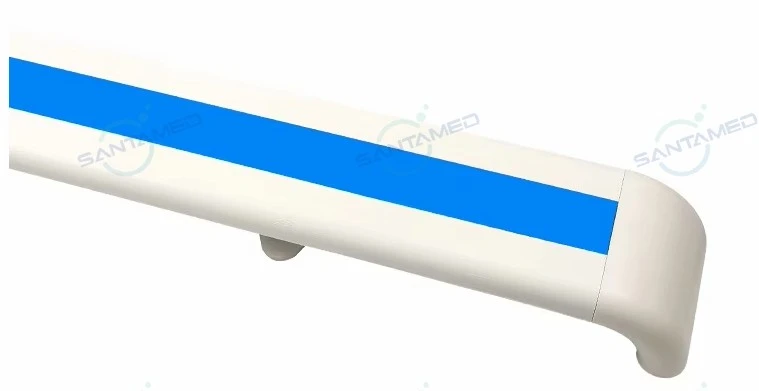
Handrails are often used by patients, staff, and visitors for support while walking. Like corner guards, they are exposed to cleaning agents and moisture. Handrails are typically made of similar materials, such as plastic, metal, or wood. Metal handrails, especially stainless steel ones, are a popular choice in humid areas due to their corrosion resistance. Plastic handrails can also be a good option, as long as they are made of a moisture - resistant material.
However, handrails have different design requirements compared to corner guards. They need to be sturdy enough to support the weight of a person and should have a smooth surface for easy gripping. In a humid environment, the grip of a handrail can be affected by moisture. Some handrails are designed with a textured surface to improve grip, even when wet.
Conclusion
In conclusion, hospital corner guards can perform well in humid environments if the right materials are chosen, the design is appropriate, and proper maintenance is carried out. Plastic, rubber, and metal corner guards each have their own advantages and disadvantages in terms of moisture resistance. A smooth, seamless design with features to direct water away is essential for optimal performance.
Regular cleaning and inspection are key to ensuring the longevity of corner guards in humid conditions. When compared to other hospital safety products like handrails, corner guards have unique requirements but also share some similarities in terms of material and moisture resistance.
If you are in the market for high - quality hospital corner guards that can withstand humid environments, I encourage you to reach out for a detailed discussion about your specific needs. We can provide you with the best solutions tailored to your hospital's requirements. Whether it's choosing the right material, design, or maintenance plan, we are here to assist you.
References
- ASTM International. (20XX). Standard specifications for materials used in hospital safety products.
- Hospital Safety Journal. (20XX). Performance of safety products in humid healthcare environments.
- Manufacturer's product manuals for hospital corner guards, handrails, and related products.


