


Hey there! I'm stoked to chat with you about how handheld ultrasound technology has evolved over the years. As a supplier of handheld ultrasound devices, I've seen firsthand the incredible advancements that have taken place, and I'm excited to share them with you.
The Early Days of Ultrasound Technology
Let's start at the beginning. Ultrasound technology has been around for a while, but it was initially pretty bulky and expensive. Back in the day, ultrasound machines were huge, often taking up an entire room in a hospital or clinic. They were also really expensive, which meant that only big medical facilities could afford them.
These early ultrasound machines used a technology called piezoelectricity. Piezoelectric materials generate an electric charge when they're subjected to mechanical stress, and vice versa. In an ultrasound machine, a piezoelectric transducer sends out high - frequency sound waves into the body. When these sound waves hit different tissues, they bounce back as echoes. The machine then analyzes these echoes to create an image of the internal organs.
The Birth of Handheld Ultrasound
The idea of making ultrasound technology more portable started to gain traction in the late 20th century. The main driving force behind this was the need for more accessible medical care. There were many situations where having a large, stationary ultrasound machine just wasn't practical. For example, in emergency situations, in rural areas with limited medical facilities, or during home visits by healthcare providers.
The first handheld ultrasound devices were relatively basic. They had lower image quality compared to their larger counterparts and were mainly used for simple applications like checking for fluid in the body or getting a quick look at a fetus during pregnancy. But even with their limitations, they were a game - changer. They allowed doctors and other medical professionals to perform on - the - spot ultrasound examinations, which could speed up diagnosis and treatment.
Technological Advancements
Over the years, there have been some amazing technological advancements that have transformed handheld ultrasound devices.
Image Quality
One of the biggest improvements has been in image quality. Thanks to better transducer technology and more advanced signal processing algorithms, modern handheld ultrasound devices can produce images that are almost as good as those from large, traditional machines. The transducers are now more sensitive, which means they can pick up even the smallest details. And the software that processes the echoes has become much more sophisticated, reducing noise and enhancing the clarity of the images.
Connectivity
Another major advancement is connectivity. Most modern handheld ultrasound devices can connect to smartphones, tablets, or laptops via Wi - Fi or Bluetooth. This allows healthcare providers to easily share the ultrasound images with colleagues for consultation. They can also store the images in electronic medical records, making it easier to track a patient's progress over time.
Battery Life
In the early days, battery life was a big issue for handheld ultrasound devices. They would run out of power quickly, which was a real problem, especially in situations where there was no access to a power outlet. But now, thanks to improvements in battery technology, handheld ultrasound devices can run for several hours on a single charge. This makes them much more reliable in the field.
Types of Handheld Ultrasound Devices
There are several types of handheld ultrasound devices available on the market today, each with its own unique features and applications.
Notebook Ultrasound
The Notebook Ultrasound is a great option for those who need a bit more power and functionality than a basic handheld device. It's still portable, but it's a bit larger and more like a small laptop. It usually comes with a bigger screen, which makes it easier to view the ultrasound images. It's often used in clinics and small hospitals for a variety of diagnostic purposes, such as abdominal, pelvic, and cardiac examinations.
Trolley - type B/W Ultrasound System
The Trolley - type B/W Ultrasound System is a step up in terms of size and capabilities. It's not exactly handheld, but it's still relatively portable compared to the large, traditional ultrasound machines. It's mounted on a trolley, which makes it easy to move around the hospital or clinic. It's often used for more complex examinations and can provide high - quality black - and - white images.
Tablet Ultrasound Machine
The Tablet Ultrasound Machine is a popular choice because of its compact size and ease of use. It's similar to a tablet computer, with a touch - screen interface. It's very user - friendly and can be used by a wide range of healthcare providers, from doctors to nurses and even paramedics. It's great for point - of - care applications, such as in emergency rooms or during home visits.
Current Applications
Handheld ultrasound technology is now used in a wide variety of medical fields.
Obstetrics and Gynecology
In obstetrics, handheld ultrasound is used to monitor the development of the fetus during pregnancy. It can detect early signs of problems, such as fetal distress or abnormal growth. In gynecology, it's used to examine the female reproductive organs, such as the uterus and ovaries, for conditions like cysts or fibroids.
Emergency Medicine
In emergency situations, handheld ultrasound can be a lifesaver. It allows doctors to quickly assess internal injuries, such as bleeding in the abdomen or chest. It can also be used to check for fluid in the lungs or to guide procedures like inserting a central line.
Musculoskeletal Medicine
For musculoskeletal problems, handheld ultrasound can be used to visualize muscles, tendons, and ligaments. It can help diagnose injuries like sprains, strains, and tears, and can also be used to guide injections into the joints or soft tissues.

The Future of Handheld Ultrasound
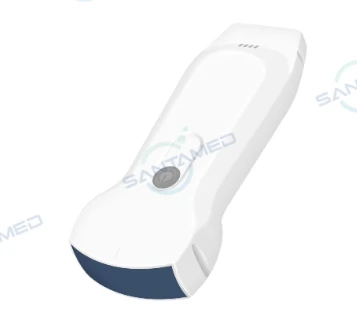
The future of handheld ultrasound looks incredibly bright. I think we're going to see even more improvements in image quality, with the development of new transducer materials and signal processing techniques. There will also be further enhancements in connectivity, allowing for real - time remote consultations with specialists around the world.
Another exciting area is the integration of artificial intelligence (AI) into handheld ultrasound devices. AI can help with image analysis, making it easier to detect and diagnose diseases. For example, it could automatically identify signs of cancer or other abnormalities in the ultrasound images.
Why Choose Our Handheld Ultrasound Devices
As a supplier of handheld ultrasound devices, we're committed to providing high - quality products at competitive prices. Our devices are designed with the latest technology, so you can be sure you're getting the best image quality and performance. We also offer excellent customer support, so if you have any questions or need help with your device, our team is always here to assist you.
If you're interested in purchasing handheld ultrasound devices for your medical practice, clinic, or hospital, I encourage you to get in touch with us. We'd love to discuss your specific needs and help you find the right device for you. Whether you're looking for a basic tablet ultrasound machine or a more advanced notebook ultrasound, we have a wide range of options to choose from.
References
- Smith, J. (2018). The Evolution of Ultrasound Technology. Medical Imaging Journal, 25(3), 123 - 135.
- Johnson, A. (2020). Advancements in Handheld Ultrasound Devices. Healthcare Technology Review, 12(2), 45 - 56.
- Williams, K. (2021). Applications of Handheld Ultrasound in Modern Medicine. Journal of Clinical Medicine, 30(4), 234 - 246.


