


Cleaning a syringe pump is a crucial maintenance task that ensures its proper functioning and longevity. As a syringe pump supplier, I understand the importance of providing clear guidance on this process. In this blog post, I will walk you through the step-by-step procedure of cleaning a syringe pump, highlighting key considerations and best practices along the way.
Why Cleaning a Syringe Pump is Important
Before delving into the cleaning process, it's essential to understand why regular cleaning is necessary. Syringe pumps are medical devices used to deliver precise amounts of fluids, such as medications or nutrients, to patients. Over time, these fluids can leave residues inside the pump, which can affect its accuracy and performance. Additionally, contaminants like dust, dirt, and bacteria can accumulate on the external surfaces of the pump, posing a risk of infection to patients. By cleaning the syringe pump regularly, you can prevent these issues and ensure that the device operates safely and effectively.
Preparing for Cleaning
Before you start cleaning the syringe pump, it's important to gather all the necessary supplies and take some precautions to ensure your safety. Here's what you'll need:
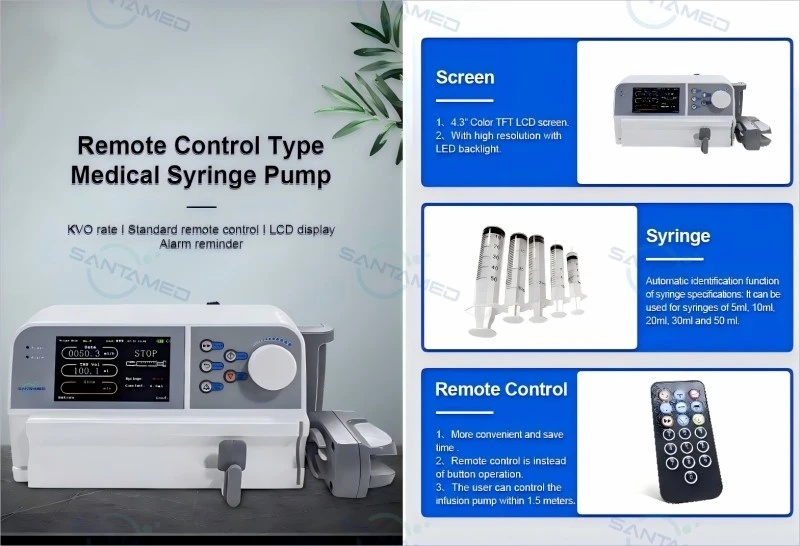

- Cleaning solution: Use a mild detergent or a disinfectant solution recommended by the pump manufacturer. Avoid using harsh chemicals or abrasive cleaners, as these can damage the pump's components.
- Soft cloths or sponges: Choose lint-free cloths or sponges that are gentle on the pump's surfaces. Avoid using paper towels, as these can leave behind fibers that may clog the pump's tubing or valves.
- Distilled water: Use distilled water to rinse the pump after cleaning to prevent the buildup of mineral deposits.
- Gloves: Wear disposable gloves to protect your hands from the cleaning solution and any contaminants on the pump.
Once you have gathered all the necessary supplies, make sure the syringe pump is turned off and unplugged from the power source. This will prevent any electrical hazards during the cleaning process.
Cleaning the External Surfaces
The first step in cleaning a syringe pump is to clean the external surfaces. This includes the pump's housing, control panel, and display screen. Here's how to do it:
- Wipe down the surfaces: Dampen a soft cloth or sponge with the cleaning solution and gently wipe down the external surfaces of the pump. Pay special attention to areas that are prone to contamination, such as the buttons, knobs, and ports.
- Rinse with distilled water: After wiping down the surfaces with the cleaning solution, rinse the cloth or sponge with distilled water and wring it out. Then, use the damp cloth or sponge to rinse the external surfaces of the pump to remove any remaining cleaning solution.
- Dry the surfaces: Use a dry, lint-free cloth to dry the external surfaces of the pump thoroughly. Make sure there is no moisture left on the surfaces, as this can cause corrosion or damage to the pump's components.
Cleaning the Syringe Holder and Tubing
The syringe holder and tubing are critical components of the syringe pump that come into direct contact with the fluids being delivered. Therefore, it's important to clean them regularly to prevent the buildup of residues and contaminants. Here's how to clean the syringe holder and tubing:
- Remove the syringe and tubing: Carefully remove the syringe from the syringe holder and disconnect the tubing from the pump. Make sure to follow the manufacturer's instructions for removing the syringe and tubing to avoid damaging the pump.
- Flush the tubing: Fill a syringe with distilled water and attach it to the end of the tubing. Slowly push the plunger of the syringe to flush the tubing with distilled water. Repeat this process several times to ensure that all the residues and contaminants are removed from the tubing.
- Clean the syringe holder: Use a soft cloth or sponge dampened with the cleaning solution to clean the syringe holder. Pay special attention to the areas where the syringe sits and the locking mechanism.
- Rinse the syringe holder and tubing: After cleaning the syringe holder and flushing the tubing with distilled water, rinse them thoroughly with distilled water to remove any remaining cleaning solution.
- Dry the syringe holder and tubing: Use a dry, lint-free cloth to dry the syringe holder and tubing thoroughly. Make sure there is no moisture left on the surfaces, as this can cause corrosion or damage to the pump's components.
Cleaning the Pump's Internal Components
In addition to cleaning the external surfaces and the syringe holder and tubing, it's also important to clean the pump's internal components regularly. This includes the motor, gears, and valves. However, cleaning the internal components of the syringe pump requires more technical knowledge and expertise. Therefore, it's recommended that you consult the pump manufacturer's instructions or contact a qualified technician for assistance.
Reassembling the Syringe Pump
Once you have cleaned all the components of the syringe pump, it's time to reassemble it. Here's how to do it:
- Reattach the tubing: Carefully reconnect the tubing to the pump, making sure it is properly seated and secured. Follow the manufacturer's instructions for reconnecting the tubing to avoid any leaks or blockages.
- Insert the syringe: Insert the clean syringe into the syringe holder, making sure it is properly aligned and locked in place. Follow the manufacturer's instructions for inserting the syringe to ensure accurate and reliable operation.
- Prime the pump: Prime the pump by filling the syringe with the appropriate fluid and following the manufacturer's instructions for priming the pump. This will ensure that the pump is ready to deliver the fluid accurately and safely.
Maintenance and Storage
After cleaning and reassembling the syringe pump, it's important to perform regular maintenance and proper storage to keep the pump in good working condition. Here are some tips:
- Perform regular inspections: Check the syringe pump regularly for any signs of damage or wear. Look for cracks, leaks, or loose connections, and replace any damaged components immediately.
- Calibrate the pump: Follow the manufacturer's instructions for calibrating the syringe pump regularly to ensure accurate and reliable operation.
- Store the pump properly: When not in use, store the syringe pump in a clean, dry place away from direct sunlight and extreme temperatures. Make sure the pump is protected from dust, dirt, and moisture.
Conclusion
Cleaning a syringe pump is an important maintenance task that ensures its proper functioning and longevity. By following the steps outlined in this blog post, you can clean your syringe pump safely and effectively, preventing the buildup of residues and contaminants that can affect its performance. Remember to always follow the manufacturer's instructions for cleaning and maintenance, and consult a qualified technician if you have any questions or concerns.
If you are in the market for a high-quality syringe pump, we offer a wide range of options, including the Portable Injection Syringe Pump and Medical Syringe Pump. Our pumps are designed to meet the highest standards of quality and reliability, and we are committed to providing excellent customer service. Contact us today to learn more about our products and how we can meet your needs.
References
- Manufacturer's instructions for the syringe pump
- Medical device cleaning guidelines and best practices


