


Hey there! As a supplier of syringe pumps, I'm super stoked to share with you all the ins and outs of how to operate a syringe pump. These nifty devices are a game - changer in the medical field, and knowing how to use them properly can make a huge difference in patient care.
First off, let's talk about what a syringe pump is. It's a medical device that's used to deliver fluids, like medications or nutrients, into a patient's body in a precise and controlled manner. Whether it's in a hospital, a clinic, or even at home for some patients, syringe pumps are a crucial part of the medical toolkit.
Pre - operation Checks
Before you even think about using the syringe pump, there are a few important pre - operation checks you need to do.
Inspect the Pump
Give the pump a good once - over. Check for any visible damage, like cracks in the casing or loose parts. Make sure all the buttons and displays are working properly. You don't want to start an infusion only to find out that the pump is malfunctioning halfway through.
Select the Right Syringe
Choosing the correct syringe is vital. Different syringe pumps are designed to work with specific syringe sizes. You need to pick a syringe that's compatible with your pump. Most pumps come with a list of recommended syringe sizes in the user manual. Using the wrong syringe can lead to inaccurate dosing, which is a big no - no in the medical world.
Prime the Syringe
Once you've selected the right syringe, it's time to prime it. Fill the syringe with the fluid you're going to administer. Then, attach the syringe to the pump. Before starting the infusion, you need to get rid of any air bubbles in the syringe and the tubing. Air bubbles can cause problems like embolisms if they get into the patient's bloodstream. To prime the syringe, slowly push the plunger until you see a small amount of fluid come out of the end of the tubing.
Setting Up the Syringe Pump
Now that you've done your pre - operation checks, it's time to set up the syringe pump.
Mount the Syringe
Open the syringe holder on the pump. Carefully place the syringe in the holder, making sure it's properly seated. The plunger of the syringe should be engaged with the pump's drive mechanism. This is what will push the plunger forward to deliver the fluid.
Connect the Tubing
Attach the tubing to the syringe. Make sure the connection is secure. Then, connect the other end of the tubing to the patient's IV line or other delivery device. Double - check that there are no kinks in the tubing, as this can block the flow of fluid.
Program the Pump
This is where things get a bit technical. You need to program the pump to deliver the fluid at the right rate. Most pumps have a digital display and a keypad. You'll need to enter the volume of fluid you want to deliver and the rate at which you want to deliver it. For example, if you're giving a patient 50 milliliters of medication over 2 hours, you'll need to enter those values into the pump. Some pumps also allow you to set up different infusion profiles, like bolus doses or variable rates.
Starting the Infusion
Once you've programmed the pump, it's time to start the infusion.
Check the Settings
Before hitting the start button, take one last look at the settings on the pump. Make sure everything is correct. You don't want to make a mistake and give the patient the wrong dose of medication.
Start the Pump
Press the start button on the pump. The pump will start pushing the plunger of the syringe forward, and the fluid will start flowing through the tubing and into the patient's body. Keep an eye on the pump's display to make sure the infusion is progressing as expected.
Monitoring the Infusion
While the infusion is going on, you need to monitor it closely.
Watch the Display
The pump's display will show you important information like the volume of fluid that's been delivered, the remaining volume, and the infusion rate. Check the display regularly to make sure everything is within the desired parameters.
Check the Patient
Keep an eye on the patient as well. Look for any signs of discomfort or adverse reactions. If the patient complains of pain or if you notice any swelling or redness at the injection site, stop the infusion immediately and check for problems.
Look for Alarms
Most syringe pumps are equipped with alarms that will go off if there's a problem. For example, if the tubing gets blocked, the pump will detect the increased pressure and sound an alarm. If an alarm goes off, don't panic. First, check the pump's display to see what the problem is. Then, take the appropriate action to fix it.
Stopping the Infusion
When the infusion is complete or if you need to stop it for some reason, here's what you do.
Press the Stop Button
Press the stop button on the pump. This will halt the movement of the plunger and stop the flow of fluid.
Disconnect the Tubing
Carefully disconnect the tubing from the patient's IV line or delivery device. Then, remove the syringe from the pump.
Flush the Tubing
After disconnecting the syringe, you may need to flush the tubing with a small amount of saline solution to prevent clots from forming. This is especially important if you're going to reuse the tubing.
Troubleshooting
Sometimes, things don't go as planned. Here are some common problems you might encounter and how to fix them.
Alarm Sounds
If the pump's alarm goes off, the first thing you should do is check the display. It will usually tell you what the problem is. If it's an occlusion alarm, it means there's a blockage in the tubing. Check for kinks or clogs in the tubing. If it's a low battery alarm, replace the batteries or plug the pump into a power source.

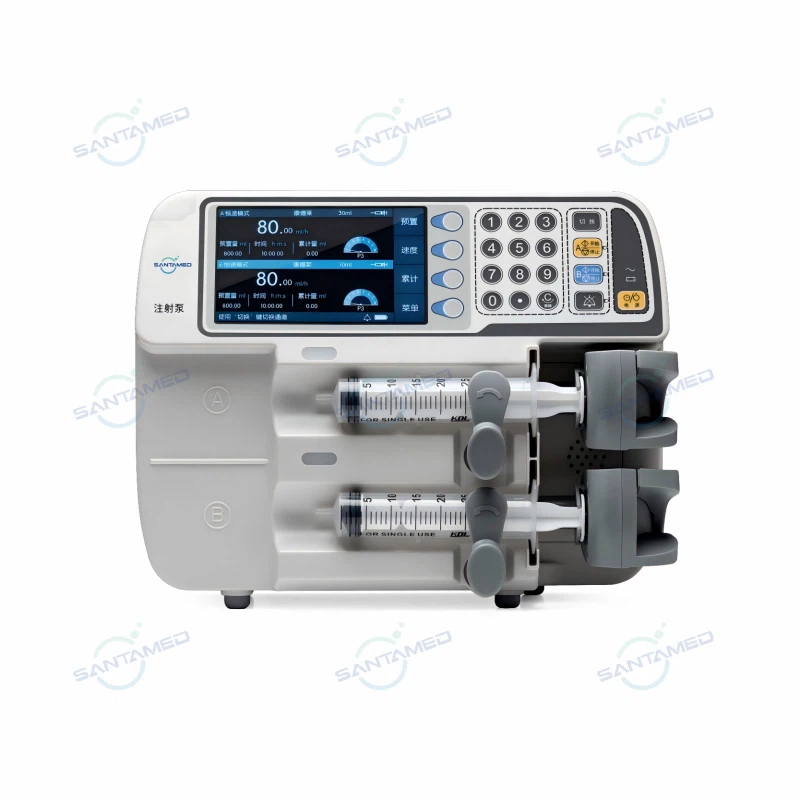
Inaccurate Dosing
If you suspect that the pump is delivering an inaccurate dose, stop the infusion immediately. Check the settings on the pump to make sure they're correct. Also, make sure the syringe is properly seated and the plunger is engaged with the drive mechanism. If the problem persists, you may need to call a technician to service the pump.
Conclusion
Operating a syringe pump may seem complicated at first, but with a little practice and following the steps I've outlined above, you'll be a pro in no time. Remember, accuracy and safety are key when using these devices. If you're interested in learning more about syringe pumps or if you're looking to purchase one, check out our Medical Syringe Pump and Portable Injection Syringe Pump options.
If you have any questions or if you're interested in purchasing a syringe pump, feel free to reach out to us. We're here to help you make the right choice for your medical needs.
References
- Syringe Pump User Manuals
- Medical Device Safety Guidelines
- Professional Medical Journals on Infusion Therapy


