


As a supplier of Infant Radiant Warmers, I understand the critical role these devices play in neonatal care. Ensuring the optimal performance of an Infant Radiant Warmer is not only a matter of technical proficiency but also a commitment to the well - being of the tiniest patients. In this blog, I will share some key strategies on how to optimize the performance of an Infant Radiant Warmer.
1. Regular Maintenance and Inspection
Regular maintenance is the cornerstone of optimizing the performance of an Infant Radiant Warmer. Just like any other medical equipment, wear and tear are inevitable over time. Conducting routine inspections can help identify potential issues before they escalate into major problems.
-
Daily Checks: Start with a daily visual inspection. Check the power cord for any signs of damage, such as fraying or exposed wires. Ensure that all the connections, including those between the heater unit and the control panel, are secure. Inspect the temperature sensors for any signs of dirt or damage. A dirty or malfunctioning sensor can lead to inaccurate temperature readings, which can be life - threatening for the infant.
-
Periodic Calibration: Temperature accuracy is of utmost importance in an Infant Radiant Warmer. Periodic calibration of the temperature control system is essential. This should be done according to the manufacturer's recommendations, typically at least once a year. Calibration ensures that the warmer maintains the set temperature within a narrow and safe range.
-
Cleaning: Keeping the warmer clean is crucial. Regularly clean the heating element, the patient platform, and the surrounding areas. Use a mild, non - abrasive cleaner to avoid damaging the equipment. Pay special attention to areas where bodily fluids or other contaminants may accumulate, such as the edges of the patient platform.
2. Proper Installation
The proper installation of an Infant Radiant Warmer can significantly impact its performance.
-
Location Selection: Choose a suitable location for the warmer. It should be placed in a well - ventilated area away from direct sunlight, drafts, and other heat sources. Direct sunlight can cause the temperature inside the warmer to rise above the set level, while drafts can disrupt the airflow and lead to uneven heating.
-
Level Surface: Ensure that the warmer is placed on a level surface. An uneven surface can cause the patient platform to tilt, which may not only be uncomfortable for the infant but also affect the accuracy of the temperature sensors.
-
Electrical Requirements: Connect the warmer to a stable and properly grounded electrical supply. Using an unstable power source can lead to fluctuations in the heater's performance and may even damage the equipment. Make sure that the electrical outlet can handle the power requirements of the warmer.
3. Staff Training
Well - trained staff are essential for the optimal performance of an Infant Radiant Warmer.
-
Initial Training: Provide comprehensive initial training to all healthcare professionals who will be using the warmer. This training should cover the basic operation of the warmer, including how to set the temperature, how to monitor the infant's temperature, and how to respond to alarms.
-
Ongoing Education: Keep the staff updated with the latest information about the warmer. This can include new features, changes in operating procedures, and safety guidelines. Regular in - service training sessions can help reinforce the proper use of the equipment.
-
Simulation Exercises: Conduct simulation exercises to train the staff on how to handle emergency situations, such as power outages or equipment malfunctions. These exercises can improve the staff's confidence and response time in real - life scenarios.
4. Monitoring and Data Analysis
Continuous monitoring of the Infant Radiant Warmer's performance can provide valuable insights for optimization.
-
Temperature Monitoring: Use the built - in temperature monitoring system to track the temperature inside the warmer over time. Analyze the data to identify any trends or patterns, such as temperature fluctuations or deviations from the set point. This can help detect early signs of equipment malfunction.
-
Alarm Monitoring: Pay close attention to the alarms of the warmer. Alarms are designed to alert the staff to potential problems, such as temperature deviations or equipment failures. Regularly review the alarm logs to identify any recurring issues.
-
Performance Metrics: Establish performance metrics for the warmer, such as the percentage of time the temperature is within the set range. Regularly evaluate these metrics to assess the overall performance of the equipment and to identify areas for improvement.
5. Upgrading and Replacement
As technology advances, upgrading or replacing an Infant Radiant Warmer may be necessary to maintain optimal performance.
-
Technology Upgrades: Consider upgrading the warmer's software or hardware to take advantage of the latest features and improvements. For example, newer models may have more accurate temperature control systems, better alarm functions, or enhanced user interfaces.
-
Replacement: If the warmer is old and frequently experiencing problems, it may be time to replace it. A new warmer will not only provide better performance but also ensure the safety and comfort of the infants.
6. Compatibility with Other Equipment
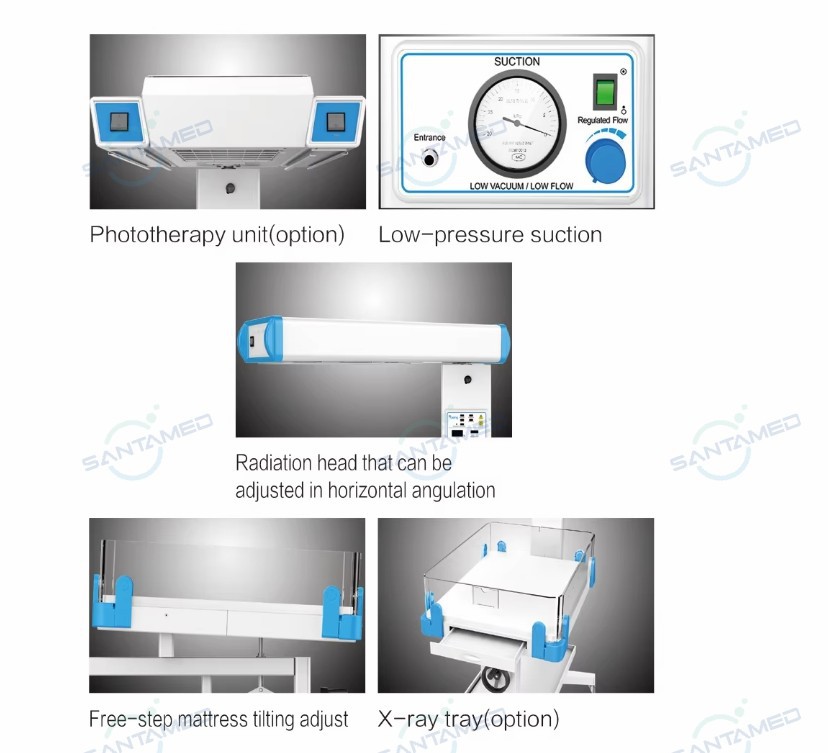
In a neonatal care unit, an Infant Radiant Warmer often works in conjunction with other medical equipment. Ensuring compatibility between the warmer and other devices is important.

-
Monitoring Equipment: The warmer should be compatible with the infant monitoring equipment, such as heart rate monitors and oxygen saturation monitors. This allows for seamless integration of data and comprehensive patient care.
-
Infusion Pumps: If an infusion pump is used in conjunction with the warmer, make sure that the two devices do not interfere with each other's operation. This may require proper placement and configuration of the equipment.
7. Quality of Components
The quality of the components used in an Infant Radiant Warmer can have a significant impact on its performance.
-
Heating Element: A high - quality heating element is essential for consistent and efficient heating. Look for warmers that use reliable heating elements with a long lifespan.
-
Temperature Sensors: The accuracy of the temperature sensors is crucial. Choose warmers with high - precision sensors that can provide accurate temperature readings in real - time.
-
Control Panel: The control panel should be user - friendly and reliable. It should allow for easy setting of the temperature and other parameters, and should have clear and visible displays.
In conclusion, optimizing the performance of an Infant Radiant Warmer requires a comprehensive approach that includes regular maintenance, proper installation, staff training, monitoring, upgrading, compatibility, and the use of high - quality components. By following these strategies, we can ensure that the warmer provides a safe and comfortable environment for the infants under our care.
If you are interested in learning more about our Infant Radiant Warmer or our Infant Radiant Incubator, or if you have any questions regarding the optimization of these devices, please feel free to contact us for a procurement discussion. We are committed to providing high - quality neonatal care equipment and excellent customer service.
References
- Manufacturer's manuals for Infant Radiant Warmers
- Neonatal care guidelines and best practices
- Research articles on neonatal medical equipment performance optimization


