


As a supplier of Handheld Ultrasound devices, I understand the significance of proper storage for these valuable medical tools. Handheld ultrasound devices are not only convenient but also highly sensitive, requiring specific care to maintain their performance and longevity. In this blog, I'll share some essential tips on how to store a handheld ultrasound device properly.
Understanding the Basics of Handheld Ultrasound Devices
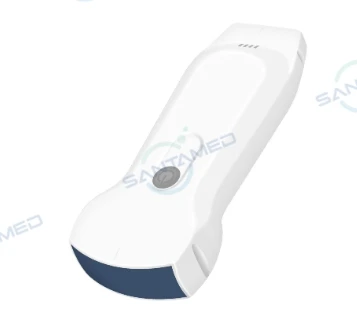
Before delving into storage methods, it's crucial to understand the basic components and functions of handheld ultrasound devices. These devices use high - frequency sound waves to create images of internal body structures. They typically consist of a transducer, a control panel, and a display unit. The transducer is the most delicate part, as it emits and receives the sound waves. Any damage to the transducer can significantly affect the device's imaging quality.
Handheld Ultrasound devices are known for their portability, making them a popular choice for medical professionals in various settings, from clinics to ambulances. You can explore more about our Handheld Ultrasound devices here.
Ideal Storage Environment
The first step in proper storage is to ensure that the environment is suitable for the device.
Temperature and Humidity
Handheld ultrasound devices are sensitive to extreme temperatures and humidity. The ideal temperature range for storage is between 10°C and 30°C (50°F and 86°F). Temperatures outside this range can cause damage to the internal components, such as the battery and the electronic circuits. High humidity can lead to condensation inside the device, which may cause short - circuits and corrosion. It is recommended to store the device in a room with a relative humidity of 30% - 70%.

Dust and Cleanliness
Dust can accumulate on the device's surface and inside its components, affecting its performance. To prevent this, store the handheld ultrasound device in a clean, dust - free environment. You can use a protective case or a storage cabinet to keep the device away from dust. Regularly clean the storage area to ensure that it remains free of debris.
Avoiding Direct Sunlight
Direct sunlight can heat up the device and cause damage to its display and other components. Always store the handheld ultrasound device in a shaded area, away from windows or other sources of direct sunlight.
Cleaning the Device Before Storage
Proper cleaning is essential before storing the handheld ultrasound device.
External Cleaning
Use a soft, lint - free cloth dampened with a mild cleaning solution to wipe the exterior of the device. Avoid using abrasive materials or harsh chemicals, as they can scratch the surface or damage the device. Pay special attention to the transducer, as it is the most critical part of the device. Gently clean the transducer with a suitable cleaning agent recommended by the manufacturer.
Probe Cleaning
The probe is the part of the device that comes into contact with the patient's skin. It is essential to clean it thoroughly after each use. Follow the manufacturer's instructions for probe cleaning, which usually involve using a disinfectant solution and a soft brush to remove any debris or contaminants.
Battery Management
If your handheld ultrasound device is battery - powered, proper battery management is crucial during storage.
Charging and Discharging
Before storing the device for an extended period, make sure the battery is charged to around 50%. A fully charged battery can lose its capacity over time if stored for a long time, while a completely discharged battery may become unusable. If you plan to store the device for more than a few months, it is recommended to charge the battery every three months to maintain its health.
Battery Removal
In some cases, it may be advisable to remove the battery from the device during long - term storage. This can prevent potential damage to the device caused by battery leakage. However, make sure to follow the manufacturer's instructions regarding battery removal.
Proper Packaging
Using the right packaging can provide an extra layer of protection for the handheld ultrasound device during storage.
Original Packaging
If available, use the original packaging that came with the device. The original packaging is designed to provide the best protection for the device during transportation and storage. It usually includes foam inserts and other cushioning materials to prevent damage from shocks and vibrations.
Protective Cases
If the original packaging is not available, you can use a high - quality protective case. Look for a case that is specifically designed for handheld ultrasound devices and provides adequate protection against impacts, scratches, and dust.
Storing Accessories
Handheld ultrasound devices often come with various accessories, such as probes, cables, and power adapters. Properly storing these accessories is also important.
Probe Storage
Store the probes in a probe holder or a dedicated storage compartment. Make sure the probes are clean and dry before storing them. Avoid bending or kinking the probe cables, as this can damage the internal wires.
Cable and Adapter Storage
Coil the cables neatly and store them in a cable organizer or a separate compartment. This can prevent the cables from getting tangled and damaged. Store the power adapters in a safe place, away from moisture and heat.
Regular Inspections
Even when the handheld ultrasound device is in storage, it is important to conduct regular inspections.
Visual Inspections
Periodically check the device for any signs of damage, such as cracks, scratches, or loose parts. Inspect the cables and probes for any signs of wear or damage. If you notice any issues, contact the manufacturer or a qualified technician for repair.
Functional Checks
If possible, perform a functional check of the device every few months. Turn on the device and check if it is working properly. This can help you detect any potential problems early and ensure that the device is ready for use when needed.
Conclusion
Proper storage of a handheld ultrasound device is essential to maintain its performance and longevity. By following the tips mentioned above, you can ensure that your device remains in good condition and is ready for use whenever needed.
At our company, we are committed to providing high - quality Handheld Ultrasound devices. We also offer a range of other ultrasound products, such as Tablet Ultrasound Machine and Trolley - type B/W Ultrasound System. If you are interested in purchasing our products or have any questions about storage or maintenance, please feel free to contact us for a procurement discussion.
References
- Manufacturer's user manuals for handheld ultrasound devices
- Industry standards for medical device storage and maintenance


