


As a supplier of infusion pumps, I've witnessed firsthand the crucial role these devices play in modern healthcare. Infusion pumps are used to deliver fluids, medications, and nutrients directly into a patient's bloodstream in a controlled manner. They are essential in a variety of medical settings, from hospitals and clinics to home healthcare. However, like any complex medical device, infusion pumps are not without their problems. In this blog post, I'll discuss some of the common issues that users may encounter with infusion pumps and how to address them.
1. Mechanical Failures
One of the most common problems with infusion pumps is mechanical failure. This can manifest in several ways, such as motor malfunctions, gear slippage, or problems with the pump's tubing. Mechanical failures can lead to inaccurate flow rates, which can have serious consequences for patients. For example, if a pump is delivering medication at a rate that is too high, it can cause an overdose. Conversely, if the flow rate is too low, the patient may not receive the necessary treatment.
To prevent mechanical failures, regular maintenance and calibration are essential. This includes checking the pump's components for wear and tear, lubricating moving parts, and ensuring that the tubing is properly installed and not kinked or blocked. It's also important to follow the manufacturer's recommended maintenance schedule and to use only approved replacement parts.
2. Electrical Problems
Electrical issues are another common problem with infusion pumps. These can range from simple power supply problems to more complex issues with the pump's internal circuitry. Electrical failures can cause the pump to stop working altogether or to operate erratically. In some cases, electrical problems can also pose a safety hazard to patients and healthcare providers.
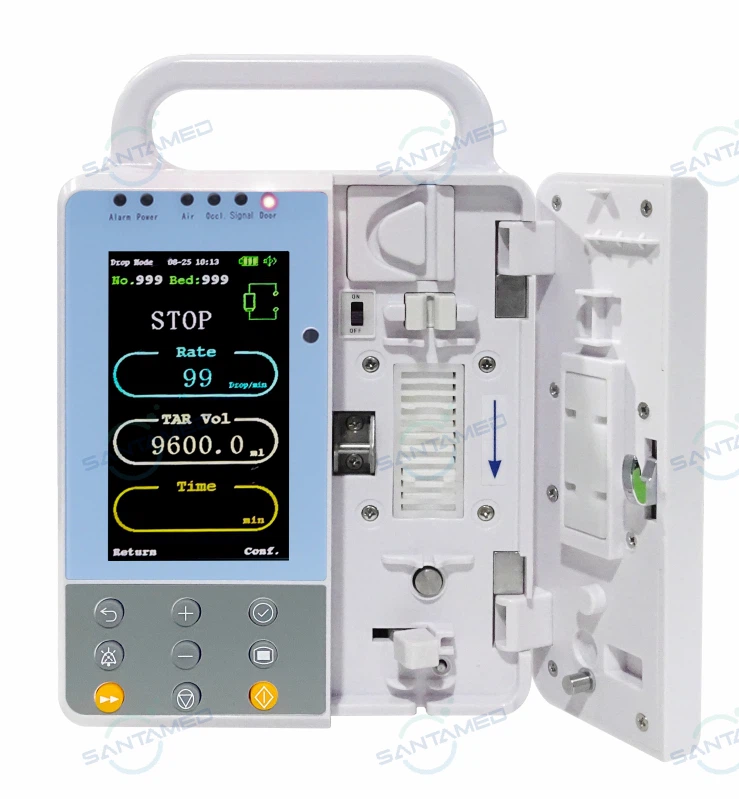

To minimize the risk of electrical problems, it's important to use the pump with a properly grounded electrical outlet. Avoid using extension cords or power strips, as these can increase the risk of electrical interference. Regularly inspect the pump's power cord for damage, and replace it if necessary. If you notice any signs of electrical problems, such as sparks or unusual noises, stop using the pump immediately and contact a qualified technician.
3. Software Glitches
Many modern infusion pumps are equipped with sophisticated software that controls the pump's operation. While this software can provide greater precision and functionality, it also introduces the potential for software glitches. Software issues can cause the pump to display incorrect information, malfunction, or even shut down unexpectedly.
To address software glitches, it's important to keep the pump's software up to date. Manufacturers often release software updates to fix bugs, improve performance, and add new features. Make sure to follow the manufacturer's instructions for installing software updates, and test the pump thoroughly after each update to ensure that it is functioning properly.
4. Tubing and Connection Issues
Proper tubing and connections are crucial for the safe and effective operation of an infusion pump. Tubing that is kinked, blocked, or improperly connected can cause inaccurate flow rates or even prevent the pump from delivering the fluid or medication. Additionally, loose or leaking connections can lead to fluid spills, which can pose a safety hazard and contaminate the surrounding environment.
When using an infusion pump, always ensure that the tubing is properly installed and free of kinks or blockages. Check the connections regularly to make sure they are secure and not leaking. If you notice any problems with the tubing or connections, replace them immediately.
5. Compatibility Issues
Infusion pumps are often used in conjunction with other medical devices, such as syringes, IV bags, and catheters. Compatibility issues can arise when these devices are not designed to work together properly. For example, a syringe that is not the correct size or type for the pump may not fit properly or may not deliver the medication at the correct rate.
To avoid compatibility issues, it's important to use only approved devices and accessories with your infusion pump. Refer to the pump's user manual or contact the manufacturer for a list of compatible products. When using new devices or accessories, test them thoroughly to ensure that they work properly with the pump.
6. User Error
Despite the best efforts of manufacturers to design user-friendly infusion pumps, user error remains a significant problem. Common user errors include incorrect programming, improper setup, and failure to follow the manufacturer's instructions. These errors can lead to inaccurate dosing, equipment malfunction, and patient harm.
To minimize the risk of user error, it's important to provide comprehensive training to all healthcare providers who will be using the infusion pump. Training should cover topics such as pump operation, programming, maintenance, and troubleshooting. Encourage users to read the pump's user manual carefully and to ask questions if they are unsure about any aspect of its use.
Solutions and Recommendations
While the problems mentioned above can be challenging, there are several steps that can be taken to mitigate their impact. Here are some solutions and recommendations:
- Regular Training and Education: Provide ongoing training to healthcare providers on the proper use, maintenance, and troubleshooting of infusion pumps. This will help to reduce the risk of user error and ensure that the pumps are used safely and effectively.
- Quality Control and Testing: Implement a rigorous quality control and testing program to ensure that all infusion pumps meet the highest standards of safety and performance. This includes testing the pumps during the manufacturing process, as well as conducting regular maintenance and calibration checks.
- Monitoring and Surveillance: Establish a system for monitoring and surveillance of infusion pump performance. This can help to identify potential problems early and take corrective action before they cause harm to patients.
- Collaboration with Manufacturers: Work closely with infusion pump manufacturers to stay informed about the latest product updates, recalls, and safety information. Manufacturers can also provide technical support and assistance in resolving any issues that may arise.
Conclusion
Infusion pumps are essential devices in modern healthcare, but they are not without their problems. Mechanical failures, electrical issues, software glitches, tubing and connection problems, compatibility issues, and user error are all common issues that can affect the performance and safety of infusion pumps. By understanding these problems and taking appropriate steps to address them, healthcare providers can ensure that infusion pumps are used safely and effectively to deliver the best possible care to their patients.
If you're in the market for a high-quality infusion pump, we offer a range of products to meet your needs. Our Portable IV Infusion Pump is designed for use in a variety of settings, including hospitals, clinics, and home healthcare. It offers precise dosing, easy operation, and reliable performance. Our Medical Infusion Pump is a more advanced model with additional features and functionality.
If you have any questions or would like to discuss your specific requirements, please don't hesitate to contact us. We're here to help you find the right infusion pump for your needs and to provide you with the support and service you deserve.
References
- [Title of Book 1], Author 1, Publisher 1, Year of Publication
- [Title of Journal Article 1], Author 2, Journal Name, Volume, Issue, Pages, Year of Publication
- [Title of Website 1], Website URL, Date of Access


