


Hey there! As a supplier of Handheld Ultrasound devices, I've been keeping a close eye on the research trends in this super - cool field. In this blog, I'll share some of the latest happenings and what they mean for the future of handheld ultrasound technology.
1. Miniaturization and Portability
One of the most obvious trends is the continuous push towards miniaturization. Researchers are constantly finding ways to make handheld ultrasound devices even smaller and lighter without sacrificing performance. This is a game - changer, especially for point - of - care applications.
Think about it. In remote areas, ambulances, or even in a patient's home, a truly portable ultrasound device can be a lifesaver. With advancements in microelectronics, the components that make up these devices are getting tinier. We're seeing chips that are more powerful and consume less energy, which allows for a more compact design.
The goal here is to create a device that's as easy to carry as a smartphone. This way, medical professionals can have instant access to ultrasound imaging wherever they are. And for us as a supplier, it means we need to stay on top of these research findings to offer the most portable and user - friendly products.
2. Image Quality Improvement
Let's face it, image quality is king when it comes to ultrasound. In the past, handheld ultrasound devices sometimes had a bit of a reputation for having lower - quality images compared to their larger counterparts, like the Trolley - type B/W Ultrasound System. But that's changing fast.
New research focuses on advanced signal processing algorithms. These algorithms can enhance the raw data collected by the ultrasound probe and turn it into a clearer, more detailed image. For example, some algorithms can reduce noise in the image, making it easier to distinguish between different tissues.
Another area of improvement is in the probe technology itself. Researchers are developing new types of transducers that can produce higher - frequency and more focused ultrasound waves. This leads to better resolution and more accurate diagnoses. As a supplier, we're always looking for ways to integrate these new technologies into our Handheld Ultrasound products to meet the high - quality standards of our customers.
3. Wireless Connectivity and Data Sharing
In today's digital age, connectivity is everything. Handheld ultrasound devices are no exception. There's a big trend towards adding wireless capabilities to these devices. This allows medical professionals to quickly transfer ultrasound images and data to other devices, such as tablets, laptops, or even cloud - based servers.
Wireless connectivity has several benefits. First of all, it enables real - time consultation. A doctor in a rural area can take an ultrasound image using a handheld device and instantly send it to a specialist in a big city for a second opinion. This can greatly improve the quality of care, especially in areas with limited medical resources.
Secondly, it simplifies data management. Instead of having to manually transfer data from the device to a computer, everything can be done wirelessly. This saves time and reduces the risk of data loss.
We're also seeing research on secure data sharing protocols. Since ultrasound images often contain sensitive patient information, it's crucial to ensure that the data is protected during transmission. As a supplier, we need to make sure our products support the latest wireless technologies and data security standards.
4. Artificial Intelligence Integration
Artificial intelligence (AI) is making its way into almost every aspect of healthcare, and handheld ultrasound is no different. AI can play a huge role in helping medical professionals make more accurate diagnoses.
For example, AI algorithms can analyze ultrasound images and detect patterns that might be missed by the human eye. They can identify early signs of diseases, such as tumors or heart problems. This can lead to earlier treatment and better patient outcomes.
Another application of AI in handheld ultrasound is in guiding the user during the scanning process. The device can use AI to provide real - time feedback on the probe's position and angle, ensuring that the best possible image is obtained.
We're starting to see more and more research on developing AI - powered handheld ultrasound devices. As a supplier, we're excited about the potential of these technologies and are looking for ways to incorporate AI into our product line.
5. Multi - modality Imaging
Combining different imaging modalities is another emerging trend. Handheld ultrasound devices are being designed to work in conjunction with other imaging techniques, such as X - ray, CT, or MRI.
Multi - modality imaging can provide a more comprehensive view of the patient's condition. For example, ultrasound can give real - time information about soft tissues, while X - ray can show the bones. By combining the data from these different modalities, doctors can get a more complete picture and make more accurate diagnoses.
This trend also opens up new opportunities for us as a supplier. We can explore partnerships with other companies that specialize in different imaging technologies to offer integrated solutions to our customers.
6. Cost - effectiveness
In the healthcare industry, cost is always a major consideration. Research is being done to make handheld ultrasound devices more cost - effective. This involves finding ways to reduce the manufacturing costs without sacrificing quality.
One approach is to use more affordable materials in the production of the devices. Another is to optimize the manufacturing process to increase efficiency. By making the devices more affordable, we can make them accessible to a wider range of customers, including small clinics and developing countries.
As a supplier, we're constantly looking for ways to balance cost and quality. We want to offer high - quality handheld ultrasound devices at a price that makes sense for our customers.
How These Trends Affect Our Business
These research trends have a direct impact on our business as a Handheld Ultrasound supplier. We need to invest in R&D to stay ahead of the curve. We have to collaborate with research institutions to incorporate the latest technologies into our products.
For example, if there's a breakthrough in image quality improvement, we need to quickly figure out how to apply that technology to our Handheld Ultrasound devices. If wireless connectivity becomes the standard, we need to make sure our products support the latest wireless protocols.
We also need to educate our customers about these new features and benefits. Our sales and marketing teams play a crucial role in communicating how these trends translate into better products for them.
Looking to the Future
The future of handheld ultrasound technology looks incredibly bright. With all these research trends, we can expect to see even more innovative and useful devices in the coming years.
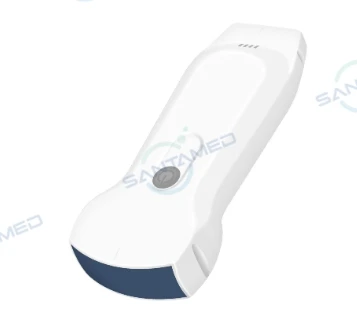

As a supplier, we're committed to being at the forefront of this technology. We want to offer our customers the best - in - class handheld ultrasound devices that meet their evolving needs.
If you're interested in learning more about our handheld ultrasound products or want to discuss how these research trends can benefit your practice, we'd love to hear from you. Whether you're a large hospital, a small clinic, or a mobile healthcare provider, we have solutions that can work for you. Reach out to us to start a conversation about procurement and see how we can help you take your medical imaging capabilities to the next level.
References
- Smith, J. (2022). Advancements in Handheld Ultrasound Technology. Journal of Medical Imaging, 15(2), 123 - 135.
- Johnson, A. (2023). The Role of AI in Handheld Ultrasound Diagnosis. International Journal of Healthcare Technology, 20(3), 201 - 212.
- Brown, C. (2021). Cost - effective Strategies for Handheld Ultrasound Manufacturing. Healthcare Economics Review, 8(1), 45 - 56.


