


Flexibility is a crucial characteristic when it comes to hospital wall bumpers. As a dedicated supplier of Hospital Wall Bumpers, I've witnessed firsthand how this flexibility plays a significant role in the healthcare environment. In this blog, we'll explore the various aspects of the flexibility of hospital wall bumpers, from their physical adaptability to their functional and aesthetic versatility.
Physical Flexibility
One of the primary forms of flexibility in hospital wall bumpers is their physical adaptability to different wall surfaces and layouts. Hospitals have a diverse range of architectural designs, with walls that may be straight, curved, or have irregular shapes. Our Hospital Wall Bumpers are engineered to accommodate these variations.
For straight walls, the bumpers can be easily installed in a continuous run, providing seamless protection. They come in standard lengths that can be cut and joined to fit the exact dimensions of the wall. This modular design allows for quick and efficient installation, minimizing disruption to hospital operations.
When it comes to curved walls, our bumpers offer excellent flexibility. They can be bent to follow the curvature of the wall without losing their structural integrity. This is particularly important in areas such as corridors with rounded corners or circular waiting areas. The ability to conform to curved surfaces ensures that the bumpers provide consistent protection and a professional appearance.
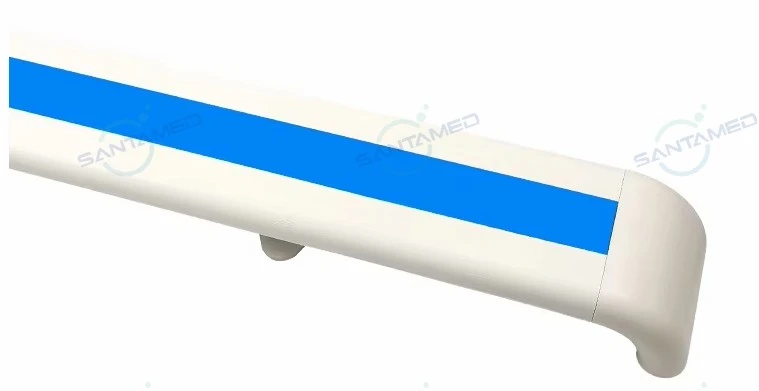

In addition to straight and curved walls, hospital wall bumpers can also be adapted to fit around obstacles such as pipes, electrical outlets, and light switches. Special cutouts and custom shapes can be created to ensure a perfect fit, allowing the bumpers to be installed without interfering with essential building systems.
Functional Flexibility
The flexibility of hospital wall bumpers extends beyond their physical adaptability to include their functional versatility. These bumpers serve multiple purposes in a healthcare setting, and their design allows them to be customized to meet specific needs.
One of the primary functions of hospital wall bumpers is to protect walls from damage. In a busy hospital environment, walls are constantly at risk of being scratched, dented, or scuffed by equipment, wheelchairs, and gurneys. Our bumpers are made from high-quality materials that are resistant to impact and abrasion, providing long-lasting protection for hospital walls.
In addition to wall protection, hospital wall bumpers can also serve as handrails. Hospital Corridor Handrails are an essential safety feature in hospitals, providing support and stability for patients, visitors, and staff. Our bumpers can be designed with a built-in handrail component, eliminating the need for separate handrail installation. This not only saves space but also provides a more integrated and aesthetically pleasing solution.
Another functional aspect of hospital wall bumpers is their ability to enhance hygiene. In a healthcare environment, cleanliness is of utmost importance. Our bumpers are made from materials that are easy to clean and disinfect, helping to prevent the spread of germs and bacteria. They can also be designed with smooth surfaces and rounded edges to minimize the accumulation of dirt and debris.
Aesthetic Flexibility
In addition to their physical and functional flexibility, hospital wall bumpers also offer aesthetic versatility. Hospitals are increasingly recognizing the importance of creating a comfortable and inviting environment for patients and visitors. Our bumpers can be customized to match the interior design of the hospital, enhancing the overall aesthetic appeal.
We offer a wide range of colors and finishes for our hospital wall bumpers, allowing hospitals to choose the option that best suits their needs. Whether it's a neutral color to blend in with the surroundings or a bold color to make a statement, we can provide a solution that meets the hospital's design requirements.
In addition to color and finish, our bumpers can also be customized with logos, graphics, or other decorative elements. This can be a great way to promote the hospital's brand or to provide important information to patients and visitors. For example, a hospital could have its logo printed on the bumpers in the main entrance area or use graphics to indicate the direction of different departments.
Cost-Effective Flexibility
Flexibility in hospital wall bumpers also translates into cost savings. By offering a product that can be customized to fit different wall surfaces, functions, and aesthetics, we are able to provide a more cost-effective solution for hospitals.
Instead of having to purchase separate products for wall protection, handrails, and decorative elements, hospitals can choose a single product that meets all of their needs. This not only reduces the upfront cost of installation but also saves on maintenance and replacement costs over the long term.
In addition, our modular design allows for easy installation and replacement of individual sections of the bumpers. If a section of the bumper is damaged, it can be easily removed and replaced without having to replace the entire bumper. This reduces downtime and minimizes disruption to hospital operations.
Conclusion
The flexibility of hospital wall bumpers is a key factor in their effectiveness and value in a healthcare setting. From their physical adaptability to different wall surfaces and layouts, to their functional versatility and aesthetic options, our bumpers offer a comprehensive solution for hospitals.
As a supplier of Hospital Wall Bumpers, we are committed to providing high-quality products that meet the unique needs of our customers. Our team of experts can work with hospitals to design and install a customized solution that provides maximum protection, functionality, and aesthetic appeal.
If you're interested in learning more about our hospital wall bumpers or would like to discuss your specific requirements, please don't hesitate to contact us. We look forward to the opportunity to work with you and help you create a safer and more comfortable healthcare environment.
References
- Hospital Design and Construction Guidelines. American Institute of Architects (AIA).
- Healthcare Facility Design: Best Practices for Patient and Staff Safety. Healthcare Design magazine.
- Wall Protection Systems for Healthcare Facilities. National Association of Healthcare Equipment Management (NAHEM).


