


When dealing with syringe pumps, understanding the pressure limit is crucial for both medical professionals and those involved in the supply chain. As a syringe pump supplier, I've encountered numerous inquiries regarding this topic, and I'm here to shed light on what the pressure limit of a syringe pump truly means and why it matters.
Understanding Syringe Pumps
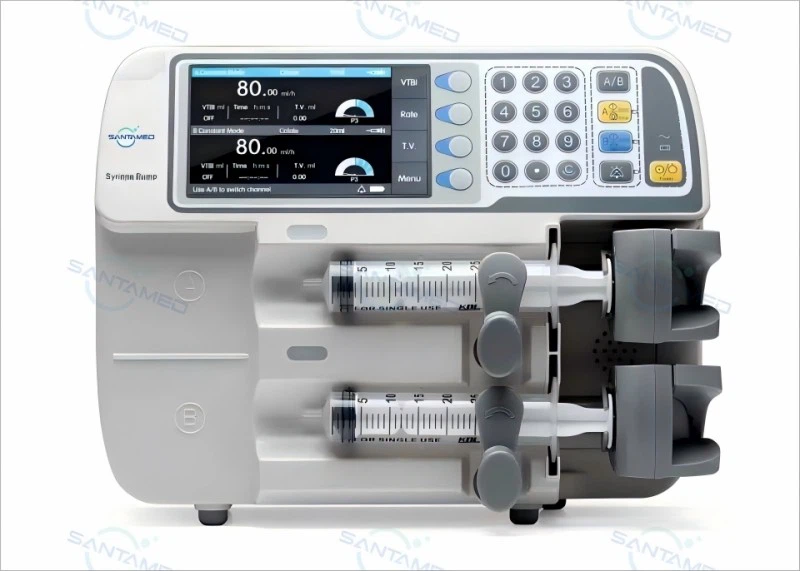
Before delving into the pressure limit, let's briefly understand what a syringe pump is. Syringe pumps are precision devices used to deliver a controlled amount of fluid over a specified period. They are commonly employed in medical settings, such as hospitals and clinics, for tasks like administering medications, nutrients, or contrast agents. There are different types of syringe pumps available in the market, including the Portable Injection Syringe Pump and the Medical Syringe Pump.
The Portable Injection Syringe Pump offers the advantage of mobility, allowing healthcare providers to administer fluids to patients in various locations within a healthcare facility or even during transportation. On the other hand, the Medical Syringe Pump is designed for more stationary use in operating theaters, intensive care units, and other critical care settings.
What is the Pressure Limit?
The pressure limit of a syringe pump refers to the maximum amount of pressure that the pump can generate while delivering fluid. This limit is typically measured in pounds per square inch (psi) or millimeters of mercury (mmHg). It is a critical parameter because exceeding the pressure limit can lead to various issues, including damage to the syringe, tubing, or even the patient's blood vessels.
The pressure limit is determined by several factors, including the design of the pump, the type of syringe being used, and the viscosity of the fluid being delivered. Different syringe pumps have different pressure limits, and it's essential to choose a pump that can handle the specific requirements of your application.
Factors Affecting the Pressure Limit
1. Pump Design
The design of the syringe pump plays a significant role in determining its pressure limit. Some pumps are designed to generate higher pressures than others, depending on their intended use. For example, pumps used for high - pressure applications, such as injecting contrast agents for imaging studies, need to have a higher pressure limit compared to pumps used for simple medication administration.
2. Syringe Type
The type of syringe used with the pump also affects the pressure limit. Different syringes have different burst pressures, which is the maximum pressure they can withstand before rupturing. It's important to use a syringe that is compatible with the pump and can handle the pressure generated during fluid delivery.
3. Fluid Viscosity
The viscosity of the fluid being delivered is another important factor. More viscous fluids require more pressure to be delivered at a given flow rate. For instance, delivering a thick medication or a high - concentration solution will require a pump with a higher pressure limit compared to delivering a thin, watery fluid.
Importance of Staying Within the Pressure Limit
Staying within the pressure limit of a syringe pump is of utmost importance for several reasons.
1. Patient Safety
Exceeding the pressure limit can cause damage to the patient's blood vessels, leading to complications such as extravasation (leakage of fluid into the surrounding tissue), hematoma (collection of blood outside the blood vessels), or even vessel rupture. This can result in pain, tissue damage, and in severe cases, long - term health problems for the patient.
2. Equipment Integrity
Over - pressurizing the syringe pump can also damage the equipment itself. It can cause the syringe to burst, damage the tubing, or even malfunction the pump mechanism. This not only leads to costly repairs or replacement of the equipment but also disrupts the continuity of patient care.
3. Accurate Fluid Delivery
Operating within the pressure limit ensures accurate and consistent fluid delivery. When the pressure is too high, it can cause the fluid to be delivered in an uneven or unpredictable manner, affecting the dosage and the effectiveness of the treatment.
How to Determine the Appropriate Pressure Limit
To determine the appropriate pressure limit for your application, you need to consider several factors.
1. Application Requirements
First, understand the specific requirements of your application. If you are using the pump for high - pressure applications, such as injecting contrast agents, you will need a pump with a higher pressure limit. On the other hand, if you are using it for simple medication administration, a lower pressure limit may be sufficient.
2. Fluid Characteristics
Consider the viscosity and other characteristics of the fluid you will be delivering. If the fluid is thick or viscous, you will need a pump with a higher pressure limit to ensure smooth and consistent delivery.
3. Syringe Compatibility
Ensure that the syringe you are using is compatible with the pump and can handle the pressure generated. Check the manufacturer's specifications for both the pump and the syringe to determine their compatibility.
Selecting the Right Syringe Pump Based on Pressure Limit
As a syringe pump supplier, I often assist customers in selecting the right pump based on their pressure limit requirements. Here are some tips to help you make the right choice:
1. Consult the Manufacturer
Contact the pump manufacturer to get detailed information about the pressure limit of their products. They can provide you with technical specifications, performance data, and guidance on selecting the appropriate pump for your application.
2. Consider Future Needs
Think about your future needs when selecting a syringe pump. If you anticipate using the pump for a variety of applications with different pressure requirements, it may be wise to choose a pump with a higher pressure limit to accommodate these future needs.

3. Evaluate Safety Features
Look for pumps that have built - in safety features to prevent over - pressurization. Some pumps are equipped with pressure sensors that can automatically stop the pump if the pressure exceeds the set limit, providing an additional layer of protection for the patient and the equipment.
Conclusion
Understanding the pressure limit of a syringe pump is essential for ensuring patient safety, equipment integrity, and accurate fluid delivery. As a syringe pump supplier, I am committed to providing high - quality products that meet the diverse needs of our customers. Whether you are in need of a Portable Injection Syringe Pump or a Medical Syringe Pump, we can help you select the right pump with the appropriate pressure limit for your application.
If you have any questions or would like to discuss your syringe pump requirements further, please feel free to reach out to us. We are here to assist you in making the best decision for your healthcare facility.
References
- "Syringe Pumps: Principles and Applications" by Medical Device Technology Journal
- Manufacturer's specifications of various syringe pumps


