


Hey there! As a supplier of electro surgical units, I often get asked which is better: monopolar or bipolar electro surgical units. Well, let's dive right into it and break down the pros and cons of each to help you make an informed decision.
Monopolar Electro Surgical Units
First off, let's talk about monopolar electro surgical units. These bad boys have been around for a while and are pretty well - known in the surgical world.
How They Work
In a monopolar setup, the electrical current flows from the Electrotome, which is the active electrode held by the surgeon, through the patient's body, and then exits the body via a return electrode (usually a large pad placed on the patient's skin). This creates a circuit that allows the electrical energy to do its job, whether it's cutting tissue or coagulating blood vessels.
Advantages
- Versatility: Monopolar units are incredibly versatile. They can be used for a wide range of surgical procedures, from minor skin surgeries to major abdominal operations. The surgeon can adjust the power settings to either cut through tissue cleanly or coagulate blood vessels to stop bleeding. For example, in a general surgery setting, it can be used to make incisions in the skin and then coagulate the underlying blood vessels as the surgeon progresses deeper into the body.
- Powerful Cutting Ability: When it comes to cutting through tough tissues, monopolar units really shine. The high - energy electrical current can quickly and efficiently cut through muscle, fascia, and other dense tissues. This makes them a top choice for surgeries where precise and rapid cutting is required.
Disadvantages
- Risk of Electrical Burns: One of the biggest drawbacks of monopolar electro surgical units is the risk of electrical burns. If the return electrode is not properly placed or if there are issues with the electrical circuit, the current can cause burns at the site where the return electrode is attached or even at other points on the patient's body. This is a serious concern that requires careful monitoring during surgery.
- Spread of Electrical Energy: The electrical energy in a monopolar system can spread throughout the patient's body. This means that there is a risk of unintentionally affecting nearby organs or tissues. Surgeons need to be very careful when using monopolar units to avoid causing damage to sensitive structures.
Bipolar Electro Surgical Units
Now, let's shift our focus to bipolar electro surgical units. These units work a bit differently from their monopolar counterparts.
How They Work
In a bipolar setup, the electrical current only flows between the two tips of the forceps or other bipolar instrument. The current is confined to the tissue grasped between the two tips, which means it doesn't pass through the rest of the patient's body. This creates a more localized effect.
Advantages
- Reduced Risk of Burns: Since the electrical current is confined to the tissue between the bipolar tips, the risk of electrical burns to other parts of the patient's body is significantly reduced. This makes bipolar units a safer option, especially for surgeries where the patient's skin or underlying tissues are more sensitive.
- Precise Coagulation: Bipolar units are excellent for precise coagulation. They can quickly and effectively seal small blood vessels without causing excessive damage to the surrounding tissue. This is particularly useful in delicate surgeries, such as neurosurgery or ophthalmic surgery, where minimizing tissue damage is crucial.
- Less Interference with Implanted Devices: Because the electrical current is localized, bipolar electro surgical units are less likely to interfere with implanted medical devices, such as pacemakers or defibrillators. This is a major advantage for patients who have these devices and need to undergo surgery.
Disadvantages
- Limited Cutting Ability: Unlike monopolar units, bipolar electro surgical units are not designed for cutting large amounts of tissue. Their main function is coagulation, so they are not as effective when it comes to making large incisions. Surgeons may need to use a different instrument, such as a scalpel, for cutting and then use the bipolar unit for hemostasis.
- Higher Cost: Bipolar instruments are generally more expensive than their monopolar counterparts. This can add to the overall cost of the surgical procedure, which may be a consideration for some healthcare facilities.
Which One is Better?
So, which is better, monopolar or bipolar electro surgical units? Well, it really depends on the specific surgical procedure and the needs of the surgeon.

- For General Surgeries: Monopolar units are often the go - to choice for general surgeries where a combination of cutting and coagulation is required. Their versatility and powerful cutting ability make them suitable for a wide range of procedures.
- For Delicate Surgeries: Bipolar units are preferred for delicate surgeries, such as those involving the brain, eyes, or reproductive organs. Their precise coagulation and reduced risk of tissue damage make them ideal for these types of procedures.
In many cases, surgeons may use both types of units during the same surgery. They might start with a monopolar unit to make the initial incisions and then switch to a bipolar unit for more precise coagulation in sensitive areas.
Our Product Offerings
As a supplier of electro surgical units, we offer a wide range of both monopolar and bipolar units to meet the diverse needs of our customers. Our Electrotome is a high - quality monopolar device that provides excellent cutting and coagulation capabilities. It's easy to use and comes with adjustable power settings to suit different surgical requirements.
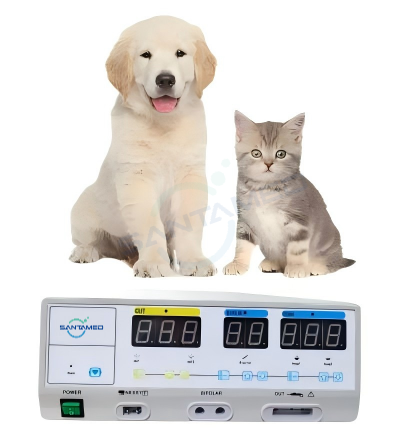
We also have a great selection of bipolar units, including our Leep Unit, which is specifically designed for gynecological surgeries. And for our veterinary customers, we offer the Veterinary Bipolar Cautery Unit, which is perfect for animal surgeries.
Reach Out for Purchase and Consultation
If you're in the market for an electro surgical unit, whether it's a monopolar or bipolar one, we'd love to hear from you. We can provide you with detailed information about our products, help you choose the right unit for your specific needs, and offer competitive pricing. Don't hesitate to reach out to us to start a conversation about your electro surgical unit requirements.
References
- Smith, J. (2018). Surgical Technology: Principles and Practice. 6th Edition.
- Johnson, A. (2019). Electro Surgical Units: A Comprehensive Guide. Medical Equipment Journal.


