


In the realm of modern medical advancements, minimally invasive surgery (MIS) has revolutionized the field of healthcare. This technique, which involves performing procedures through small incisions rather than large open cuts, offers numerous benefits such as reduced pain, shorter hospital stays, and faster recovery times for patients. As a leading Surgical Boom supplier, we are often asked whether a surgical boom can be effectively used for minimally invasive surgery. In this blog, we will delve into the capabilities of surgical booms in the context of MIS and explore how they can enhance the surgical experience.
Understanding Minimally Invasive Surgery
Minimally invasive surgery encompasses a wide range of procedures that utilize specialized instruments and techniques to access the surgical site through small incisions. These procedures often rely on advanced imaging technologies, such as laparoscopes and endoscopes, to visualize the internal organs and guide the surgeon's movements. MIS has been successfully applied in various medical specialties, including general surgery, gynecology, urology, and orthopedics, and has become the preferred approach for many surgical interventions.
The Role of Surgical Booms in the Operating Room
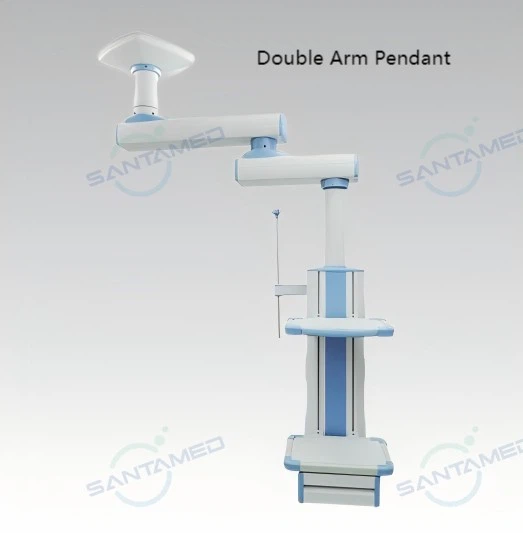
A Surgical Boom is an essential piece of equipment in the operating room that provides a flexible and ergonomic solution for mounting and positioning medical devices. It consists of a vertical column or arm that can be extended, rotated, and adjusted to reach different areas of the surgical field. Surgical booms are typically equipped with multiple outlets for power, gas, and data connections, allowing for the integration of various surgical instruments and monitoring devices.
The primary function of a surgical boom is to optimize the workflow in the operating room by providing easy access to essential equipment and reducing clutter. By centralizing the power and connectivity options, surgical booms help to streamline the setup and operation of the surgical environment, ensuring that the surgeon and the surgical team have everything they need within reach.
Can a Surgical Boom be Used for Minimally Invasive Surgery?
The answer is a resounding yes. Surgical booms are highly versatile and can be customized to meet the specific requirements of minimally invasive surgery. Here are some ways in which surgical booms can support MIS:
1. Instrument Mounting and Positioning
In minimally invasive surgery, the precise placement of surgical instruments and imaging devices is crucial for achieving optimal visualization and access to the surgical site. Surgical booms offer a stable and adjustable platform for mounting laparoscopes, endoscopes, cameras, and other MIS instruments. The ability to extend, rotate, and tilt the boom allows the surgeon to position the instruments at the desired angle and distance, providing a clear and unobstructed view of the internal organs.
2. Power and Connectivity
Minimally invasive surgical procedures often rely on a variety of electronic devices, such as cameras, monitors, light sources, and energy-based instruments. Surgical booms are equipped with multiple power outlets and data ports, ensuring that these devices can be easily connected and powered. This eliminates the need for multiple cords and cables, reducing the risk of entanglement and improving the overall safety and efficiency of the surgical environment.
3. Integration with Imaging Systems
Advanced imaging technologies play a vital role in minimally invasive surgery, providing real-time visualization of the surgical site. Surgical booms can be integrated with high-definition monitors and imaging systems, allowing the surgeon to view the internal organs in detail. The ability to adjust the position and angle of the monitor ensures that the surgeon has a clear and comfortable view of the imaging display, enhancing the accuracy and precision of the surgical procedure.
4. Ergonomic Design
Surgical procedures can be physically demanding, and the ergonomic design of the operating room equipment is essential for reducing fatigue and improving the surgeon's performance. Surgical booms are designed with the user in mind, offering smooth and easy-to-use controls for adjusting the position and orientation of the mounted devices. The adjustable height and reach of the boom allow the surgeon to work in a comfortable and natural posture, minimizing the risk of musculoskeletal injuries.
Advantages of Using a Surgical Boom for Minimally Invasive Surgery
In addition to the specific capabilities mentioned above, there are several other advantages of using a surgical boom for minimally invasive surgery:

1. Improved Efficiency
By providing easy access to essential equipment and reducing clutter, surgical booms help to streamline the workflow in the operating room. This allows the surgical team to focus on the procedure at hand, reducing the time spent on equipment setup and adjustment. The ability to quickly reposition the instruments and imaging devices also enables the surgeon to adapt to changing surgical conditions, improving the overall efficiency of the procedure.
2. Enhanced Safety
The integration of power and connectivity options in a single boom reduces the risk of electrical hazards and cable entanglement. The stable and adjustable platform provided by the boom ensures that the instruments and imaging devices are securely mounted, minimizing the risk of accidental movement or dislodgment during the surgical procedure. This helps to improve the safety of the patient and the surgical team.
3. Customization Options
Surgical booms can be customized to meet the specific needs of different surgical specialties and procedures. They can be equipped with a variety of accessories, such as instrument holders, light arms, and monitor mounts, to provide a comprehensive solution for minimally invasive surgery. The ability to customize the boom allows the hospital or surgical center to optimize the operating room setup and meet the unique requirements of their patients.
Comparison with Other Operating Room Equipment
While surgical booms offer several advantages for minimally invasive surgery, it is important to consider other types of operating room equipment, such as Surgical Pendants and Medical Columns, and their suitability for different surgical settings.
Surgical Pendants
Surgical pendants are similar to surgical booms in that they provide a platform for mounting and positioning medical devices. However, surgical pendants are typically mounted on the ceiling and are more suitable for larger operating rooms where a greater range of motion and flexibility is required. Surgical pendants can also be equipped with a variety of accessories, such as instrument holders, light arms, and monitor mounts, to provide a comprehensive solution for minimally invasive surgery.
Medical Columns
Medical columns are vertical structures that are typically mounted on the floor or wall of the operating room. They provide a stable and centralized platform for mounting medical devices and equipment, such as anesthesia machines, monitors, and infusion pumps. Medical columns are often used in conjunction with surgical booms or pendants to provide a complete solution for the operating room.
Conclusion
In conclusion, a surgical boom can be effectively used for minimally invasive surgery. Its versatility, adjustability, and ability to integrate with various surgical instruments and imaging devices make it an ideal choice for supporting the unique requirements of MIS. By providing easy access to essential equipment, improving the workflow in the operating room, and enhancing the safety and efficiency of the surgical procedure, surgical booms play a crucial role in the success of minimally invasive surgery.
As a leading Surgical Boom supplier, we offer a wide range of high-quality surgical booms that are designed to meet the specific needs of different surgical specialties and procedures. Our surgical booms are built with the latest technology and materials, ensuring reliability, durability, and ease of use. If you are interested in learning more about our surgical booms or are considering purchasing one for your operating room, we encourage you to contact us to schedule a consultation or request a quote. We look forward to the opportunity to discuss how our products can enhance your surgical practice and improve the outcomes for your patients.
References
- Smith, J. K., & Johnson, M. L. (2018). Minimally invasive surgery: A review of current techniques and future directions. Journal of Surgical Research, 226, 1-12.
- Brown, A. B., & Green, C. D. (2019). The role of surgical booms in the modern operating room. Anesthesiology Clinics, 37(3), 473-484.
- White, E. F., & Black, G. H. (2020). Comparison of surgical booms, pendants, and columns for minimally invasive surgery. Journal of Clinical Surgery, 45(2), 95-102.


