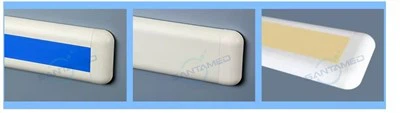
Hey there! I'm a supplier of Hospital Corner Guards, and today I want to have an open and honest chat about the potential disadvantages of using these products. Now, before we dive in, I want to make it clear that I believe in the value of our Hospital Corner Guard. They're designed to protect hospital corners, reduce damage, and enhance safety. But like any product, they're not without their drawbacks.
1. Initial Cost
One of the first things that comes to mind when thinking about the disadvantages is the initial cost. Hospital Corner Guards aren't exactly cheap. The materials used, like high - quality plastics or rubber, along with the manufacturing process, contribute to a relatively high price tag. For smaller hospitals or medical facilities with tight budgets, this can be a significant hurdle. They might have to cut back on other essential supplies or services to afford these corner guards.
Let's say a small rural hospital wants to install corner guards in all its hallways and patient rooms. The cost of purchasing and installing them can quickly add up. And in a situation where every dollar counts, this can be a real headache for the hospital administrators.
2. Installation Complexity
Installing Hospital Corner Guards isn't always a walk in the park. It requires a certain level of skill and knowledge. You can't just slap them on the corners and expect them to stay put. Some corner guards need to be precisely measured and cut to fit the specific dimensions of the corner. If the installation is done incorrectly, the guards might not provide the intended protection.
For example, if the guard isn't properly aligned or secured, it could come loose easily. This not only defeats the purpose of having a corner guard but can also pose a tripping hazard. And let's not forget that improper installation might void the warranty, leaving the hospital on the hook for any future repairs or replacements.


3. Maintenance Requirements
Once the Hospital Corner Guards are installed, they need regular maintenance. Over time, they can get dirty, scratched, or damaged. Cleaning them might seem like a simple task, but depending on the material, it can be a bit tricky. Some materials are more prone to staining, and getting rid of those stains can be a real pain.
Also, if a corner guard gets damaged, it needs to be repaired or replaced promptly. This means having to keep a stock of replacement parts on hand, which adds to the overall cost. And if the hospital doesn't have the resources or expertise to handle the maintenance, they might have to hire external contractors, which can be expensive.
4. Aesthetic Concerns
In a hospital setting, aesthetics matter. Patients and their families are often in a vulnerable state, and the environment can have a significant impact on their well - being. Some Hospital Corner Guards might not blend well with the overall decor of the hospital. They can look bulky or out of place, which can detract from the hospital's appearance.
For instance, if a hospital has a modern, minimalist design, a large, chunky corner guard might not fit in. This can create a less pleasant experience for patients and visitors, and in some cases, it might even affect the hospital's reputation.
5. Limited Durability in High - Traffic Areas
In high - traffic areas of the hospital, such as emergency rooms or intensive care units, Hospital Corner Guards can take a beating. The constant movement of beds, wheelchairs, and medical equipment can cause wear and tear on the guards. Even the best - quality corner guards might not be able to withstand the heavy use for an extended period.
This means that in these areas, the corner guards might need to be replaced more frequently. And as we've already discussed, replacement costs can add up quickly. It's a bit of a Catch - 22 situation for hospitals that need to protect their corners but also want to keep costs down.
6. Compatibility Issues
Not all Hospital Corner Guards are compatible with every type of wall or corner. Some walls might have a unique texture or material that makes it difficult to install the guards properly. For example, if the wall is made of a soft material, the adhesive used to attach the corner guard might not hold well.
Also, in older hospitals, the corners might not be perfectly straight or have standard dimensions. This can make it challenging to find a corner guard that fits correctly. And if the guard doesn't fit properly, it won't provide the necessary protection.
7. Environmental Impact
In today's world, environmental concerns are at the forefront of many decisions. Some Hospital Corner Guards are made from materials that aren't very eco - friendly. For example, certain plastics can take a long time to decompose, and their production might involve the use of harmful chemicals.
Hospitals are increasingly looking for ways to reduce their environmental footprint, and using non - eco - friendly corner guards can go against their sustainability goals. This can be a problem for hospitals that want to be more environmentally responsible.
8. Potential for Bacterial Growth
Hospital environments need to be as clean and germ - free as possible. Some Hospital Corner Guards can provide a breeding ground for bacteria. The grooves and crevices in the guards can trap dirt, moisture, and germs. If not cleaned regularly, this can lead to the growth of harmful bacteria, which can pose a risk to patients and staff.
For example, in a patient's room, a dirty corner guard can be a source of infection. And with the increasing threat of antibiotic - resistant bacteria, this is a serious concern that hospitals need to address.
9. Lack of Customization
While there are a variety of Hospital Corner Guards available on the market, they might not always meet the specific needs of a hospital. Some hospitals might have unique requirements, such as a specific color or shape. Finding a corner guard that can be customized to these needs can be difficult and expensive.
For instance, if a hospital wants a corner guard in a particular color to match its branding, it might have to pay a premium for a custom - made product. This can be a deterrent for hospitals that are looking for cost - effective solutions.
Conclusion
As you can see, there are several disadvantages to using Hospital Corner Guards. But it's important to remember that these drawbacks need to be weighed against the benefits. Hospital Corner Guards can prevent a lot of damage to hospital corners, reduce the risk of injuries, and improve the overall safety of the environment.
If you're a hospital administrator or in charge of purchasing for a medical facility, I encourage you to consider these factors carefully. And if you have any questions or want to discuss how our Hospital Corner Guard can work for your specific needs, don't hesitate to reach out. We also offer Hospital Wall Bumpers and Plastic Corner Strips that might be a good fit for your facility.
Let's have a conversation about how we can find the best solution for your hospital's corner protection needs. Whether it's addressing the cost, installation, or any other concerns, we're here to help.
References
- General knowledge about hospital equipment and materials.
- Industry reports on hospital safety and equipment.