


Hey there! As a supplier of electro surgical units, I've been in the trenches, dealing with all the ins and outs of these nifty medical devices. One question that comes up a lot is about the legal and regulatory requirements for electro surgical units. So, let's dive right in and break it down.
First off, electro surgical units, or ESUs for short, are used in a variety of surgical procedures to cut, coagulate, or desiccate tissue using electrical energy. They're super important tools in the operating room, but because they involve electrical currents and are used on patients, there are strict rules and regulations in place to ensure their safety and effectiveness.
One of the primary regulatory bodies in the United States is the Food and Drug Administration (FDA). The FDA classifies ESUs as Class II medical devices, which means they're subject to special controls in addition to the general controls that apply to all medical devices. These special controls can include things like performance standards, post - market surveillance, and special labeling requirements.
To get an ESU to the market in the US, a manufacturer has to go through a pre - market notification process called a 510(k). This involves demonstrating that the new ESU is substantially equivalent to a legally marketed device (the predicate device) in terms of its intended use, technology, and safety and effectiveness. It's not a walk in the park; you have to provide a lot of data and documentation to prove this equivalence. For example, you might need to submit test results showing how the ESU performs in different clinical scenarios, and how it compares to the predicate device.
In Europe, the situation is a bit different. The European Union has its own set of regulations for medical devices, and as of May 2021, the Medical Device Regulation (MDR) replaced the old Medical Device Directive (MDD). Under the MDR, ESUs are classified based on their risk level. Most ESUs fall into the Medium - risk (Class IIb) category. To sell an ESU in the EU, manufacturers need to obtain a CE mark. This involves a conformity assessment procedure, which can be quite rigorous. It usually includes a technical documentation review, testing of the device, and an audit of the manufacturer's quality management system.
Now, let's talk about some of the specific requirements that apply to ESUs across different regions.
Electromagnetic Compatibility (EMC)
ESUs generate electrical signals, and these signals can potentially interfere with other electronic medical devices or be affected by external electromagnetic fields. That's why EMC requirements are a big deal. Manufacturers have to ensure that their ESUs meet the applicable EMC standards. For example, in the US, the EMC requirements are set by the Federal Communications Commission (FCC), and in Europe, they follow the EN 60601 - 1 - 2 standard. These standards specify limits on the amount of electromagnetic interference an ESU can emit and its immunity to external electromagnetic fields.
Patient Safety
Patient safety is the top priority when it comes to ESUs. There are several requirements related to patient safety. For example, ESUs must have proper grounding to prevent electrical shock to the patient. There are also requirements for insulation and isolation of the electrical circuits to protect the patient from harmful currents. Additionally, ESUs should have safety features such as overload protection and alarms to alert the user if there's a problem.

Labeling and Instructions for Use
Clear labeling and instructions for use are crucial for the safe and effective use of ESUs. The label should include information such as the device's intended use, technical specifications, warnings, and precautions. The instructions for use should provide detailed information on how to operate the ESU, how to maintain it, and what to do in case of a malfunction. This information helps surgeons and other medical staff use the device correctly and reduces the risk of accidents.
Quality Management System
Both in the US and Europe, manufacturers of ESUs are required to have a quality management system in place. In the US, this is based on the Quality System Regulation (QSR), and in Europe, it follows the requirements of the ISO 13485 standard. A quality management system ensures that the manufacturing process is consistent, and the ESUs produced meet the required standards. It covers aspects such as design control, purchasing control, production control, and product testing.
As a supplier, I understand how complex and challenging it can be to meet all these legal and regulatory requirements. But it's all worth it because it ensures that the ESUs we provide are safe and reliable for patients and medical professionals.
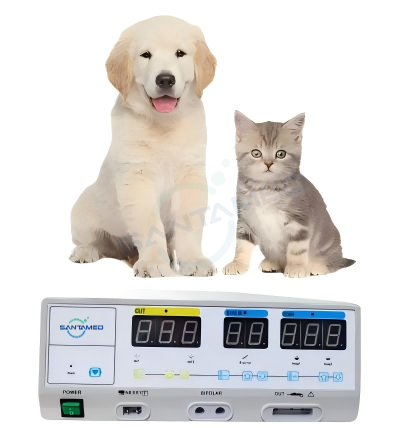
Now, speaking of our ESUs, we offer a range of high - quality products. For example, if you're looking for a device for veterinary use, check out our Veterinary Bipolar Cautery Unit. It's designed specifically for veterinary surgeries and meets all the necessary regulatory requirements.
We also have a great selection of consumables. Our Reusable Bipolar Forceps are durable and easy to clean, making them a cost - effective choice for surgical procedures. And if you need a reliable Electrosurgical Pencil, we've got you covered.
If you're interested in learning more about our electro surgical units and consumables or getting a quote, don't hesitate to reach out. We're here to help you find the right solutions for your surgical needs. We can provide all the necessary documentation and support to ensure a smooth procurement process. Whether you're a small clinic or a large hospital, we've got the products and expertise to meet your requirements. So, let's start a conversation and see how we can work together!
References
- Food and Drug Administration (FDA). (n.d.). Medical Device Classification System. Retrieved from the FDA official website.
- European Union. (2021). Medical Device Regulation (MDR). Brussels: European Commission.
- International Electrotechnical Commission (IEC). (Standards related to electro surgical units and EMC).


