Electrosurgical equipment (ESU) is a specialized medical device. It utilizes high-frequency electrical currents to enhance surgical outcomes, specifically by performing the following functions:
Cutting tissue
Coagulating bleeding
Simultaneously performing both functions
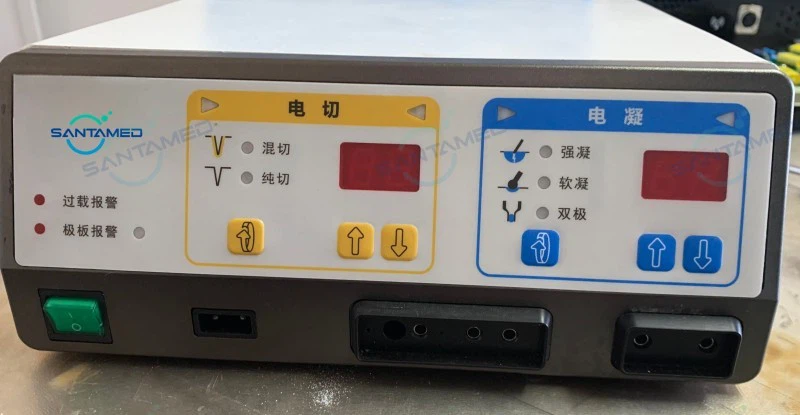
This technology provides surgeons with the optimal tools to achieve surgical precision while minimizing blood loss. It is a critical factor in achieving optimal surgical results within the operating room.
Electrosurgical equipment enables the precise delivery of energy, allowing surgeons to create controlled incisions and achieve hemostasis. This improves surgical efficiency and enhances patient outcomes.
The Fundamental Principles of Electrosurgery
The principle behind electrosurgery involves converting electrical energy into localized thermal energy. Depending on surgical requirements, surgeons apply this energy to biological tissue to perform cutting or coagulation.
This precisely directed thermal energy distinguishes electrosurgery from traditional surgical instruments. It facilitates minimally invasive procedures and reduces the risk of postoperative complications.
The two primary electrosurgical generator technologies are monopolar and bipolar, each with its own specific applications.
Monopolar Electrosurgery
This widely utilized technique involves placing a single active electrode at the surgical site. Simultaneously, an electrical current flows through a dispersive electrode to complete the circuit. Medical staff typically place the dispersive electrode on another part of the patient's body.
Monopolar electrosurgery is highly versatile, suitable for use with fine surgical instruments as well as for coagulating larger areas of tissue. Its adaptability across a wide range of surgical procedures makes it an essential piece of equipment in the operating room.
Bipolar Electrosurgery
In bipolar electrosurgery, both the active electrode and the return electrode are positioned at the surgical site. The electrical current flows directly between these two electrodes, eliminating the need for the current to pass through the patient's entire body.
This technology enables high-precision operations and is ideally suited for delicate procedures-such as those in neurosurgery and ophthalmology-where precise control over coagulation is required.
Surgeons tend to prefer this method for procedures requiring fine control over smaller, more sensitive areas of tissue.