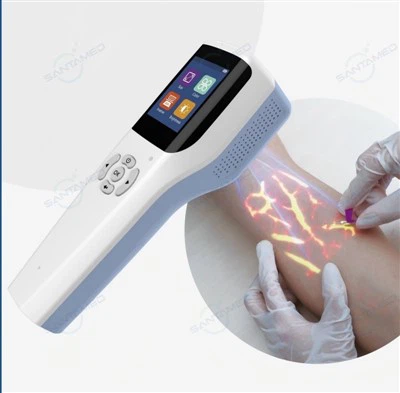
Most operating rooms are equipped with a wide range of specialized equipment. From basic monitoring instruments to high-tech life-saving devices, each piece of equipment plays a vital role in the operating room and the procedures performed there.
The following are some common pieces of basic medical equipment found in operating rooms:
Also known as surgical tables, these are specialized medical devices designed to support the patient during surgery. They provide a stable, comfortable surface for the patient while allowing surgeons and other medical staff easy, unobstructed access to the patient's body.

Anesthesia Machines
Anesthesia machines and workstations are primarily managed and controlled by anesthesiologists. They store and deliver anesthetic drugs and gases to provide pain relief and induce sleep for patients during surgery.
Anesthesia workstations incorporate gas delivery systems and breathing masks or circuits to supply and regulate gas flow to the patient. They also include monitoring equipment to provide accurate data on vital signs such as heart rate, blood oxygen saturation, and blood pressure.
Ultrasound Machines
Ultrasound machines-also known as diagnostic ultrasound systems-are used to diagnose and monitor patients across various surgical scenarios, including pregnancy and childbirth, cancer treatment, and cardiac care. These machines use high-frequency sound waves to generate images of the body's interior; these images aid in diagnosis or assist surgeons during procedures-such as guiding needle biopsies or even facilitating the removal of kidney stones or tumors.
Sterilizers
Maintaining sterility in the operating room and on the equipment used within it is crucial; this aspect demands high priority in the maintenance and management of any surgical suite.
Surgical instruments, dressings, injectables, and other items must be sterilized before any medical procedure takes place. Sterilization equipment-such as autoclaves-is widely used in operating rooms to sterilize equipment and supplies using high-pressure steam.
Defibrillators
Defibrillators are essential pieces of operating room equipment, and their use is not limited to emergencies. Beyond resuscitating patients experiencing cardiac arrest, defibrillators are used during surgery to correct cardiac arrhythmias-such as heartbeats that are irregular, too slow, or too fast.
Surgical Gowns, Masks, and Gloves
These are disposable items worn by surgeons and all members of the surgical team to protect both patients and themselves from contamination and infection. Surgical gowns, masks, and gloves must be disposed of properly and replaced before each new procedure (or during the procedure if contamination or damage occurs).