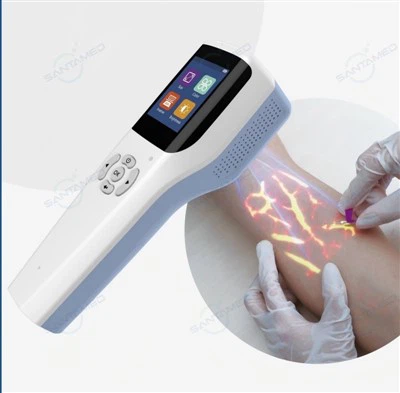
The selection of medical equipment for an operating room depends on the needs of the healthcare facility and the patients. For instance, a highly complex operating room might require a sophisticated, state-of-the-art operating room integration system. Conversely, a small outpatient surgery center may operate under a limited budget, which influences its purchasing decisions. Regardless of the facility or specific application, every piece of equipment plays a vital role in the operating room:

Surgical lights illuminate the surgical site.
Surgical tables provide a surface for patients to lie on during procedures and can be adjusted to meet specific surgical requirements.
Surgical booms conceal cables and cords from various devices, reducing tripping hazards; they also support equipment, allowing it to be moved and positioned as needed within the room.
Surgical monitors display detailed images of the surgical site, ensuring a clear view of the procedure.
Operating room integration systems enable staff to coordinate and collaborate via video and imaging connections, facilitating shared medical decision-making.
Blanket warmers are used to store and heat intravenous fluids, linens, and blankets.
Surgical staff use scrub sinks to perform preoperative hand disinfection, thereby reducing the risk of infection.
Nurse documentation stations house electronic equipment and provide a workspace for reporting and record-keeping.
Where Can Operating Room Equipment Be Purchased?
High-quality, durable medical equipment is essential for ensuring the safe and efficient operation of an operating room. Operating room personnel and other stakeholders should research products from various medical equipment manufacturers and make purchasing decisions based on factors such as equipment quality, after-sales support, and price.