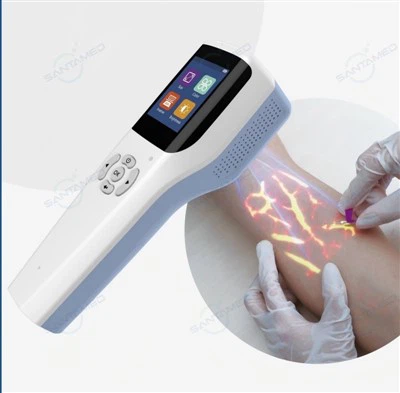
What type of lighting is considered best for operating rooms and patient examination rooms?
In the operating room, high-quality, natural-like light is crucial, enabling medical staff and surgeons to detect even subtle color variations. This makes pure white light the ideal choice. To ensure clear contrast and easy differentiation of shades, blue tones must be eliminated from the light source.
Beyond the bulb type, bulb lifespan is a critical factor when selecting the style and design of the fixture. Many modern LED bulbs offer extended lifespans, resulting in cost savings and reduced downtime for replacements. Because these fixtures utilize multi-bulb systems rather than relying on a single or dual-bulb setup, there is no need to keep spare lights on hand at the immediate site. The design of the fixture itself also plays a decisive role in its utility. Operating room lights should be designed to minimize shadows-features such as reflectors, unlimited rotation and positioning options, and shapes that strategically place bulbs to deliver direct, focused light are essential.
What are the advantages of surgical lights using LED technology?
LED surgical lights outperform other types of operating room lighting in many respects. They emit a very pure white light and provide up to 10% more brightness than other bulb types. Thanks to LED technology, they generate no heat-neither radiating it downward nor exhausting it from the fixture. This ensures the comfort of both patients and staff, even during prolonged procedures under the light source.

LED operating room lights are designed for energy efficiency; depending on the specific model, they can reduce energy consumption in hospital settings by up to 50% compared to traditional surgical lights. This represents a significant energy-saving advantage for busy operating rooms and surgical areas that operate around the clock. Additionally, LED bulbs typically have longer lifespans, thereby lowering bulb replacement costs over the fixture's service life.
Energy-efficient fixtures can enhance the bright, pure white light emitted by LED bulbs through the use of reflectors. Reflectors are multi-faceted components surrounding the bulb that amplify the light's coverage from various angles. This not only reduces shadows but also allows the light beam to be focused more precisely on the target area. What design options are available for surgical lights suitable for high-volume operating rooms?
Busy operating rooms handle a large number of procedures daily, necessitating practical lighting solutions. Options include single- or dual-arm mounts that offer a wide range of motion. Dual-arm surgical lights provide two independent light sources and directional capabilities, allowing for enhanced illumination over larger areas when needed; they also help minimize shadowing. These lights are often the most practical choice for multi-purpose operating rooms, as the dual-light setup allows for the illumination of both the entire patient and specific focal areas.
Regardless of the operating room type, it is crucial to consider surgical lights equipped with drift-prevention technology. This technology prevents the light from shifting due to the movement of personnel within the room. Drift-resistant lights can be designed with counterweights that lock the light in a specific position until it is manually readjusted. Wall-mounted controls can eliminate the need to touch the light's handle directly, thereby ensuring the light remains securely in place.