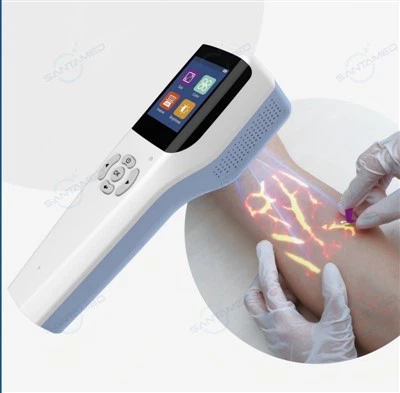
What Is an Infusion Pump?
An infusion pump is a medical device used to deliver fluids-such as medications, nutritional solutions, or saline-into a patient's body at controlled rates. Unlike gravity-fed IVs, infusion pumps provide precise and steady fluid delivery, which is particularly critical for critically ill patients.
How Infusion Pumps Work:
The core principle of an infusion pump involves using a mechanism to drive fluid through tubing into the patient's intravenous line. Specific infusion rates (e.g., milliliters per hour) and total volumes are pre-set on the device. The pump then continuously monitors the flow to ensure there are no interruptions or risks, such as air bubbles or blockages. This ensures the treatment proceeds exactly as prescribed, minimizing human error or fluctuations in the infusion rate.
Types of Infusion Pumps
Hospitals use different types of infusion pumps based on patient needs:
Volumetric pumps: Deliver large volumes of fluid over a set period; suitable for fluid replacement or nutritional therapy.
Portable infusion pumps: Mobile devices that allow patients to receive medication while remaining active.
Enteral nutrition pumps: Designed to deliver liquid nutrition directly into the digestive tract.
Patient-Controlled Analgesia (PCA) pumps: Allow patients to self-administer small doses of pain medication within pre-set safety limits.
Understanding these types helps medical teams select the appropriate pump for each clinical situation, ensuring both safety and efficacy.
Syringe Pumps-Precision Delivery of Small Doses
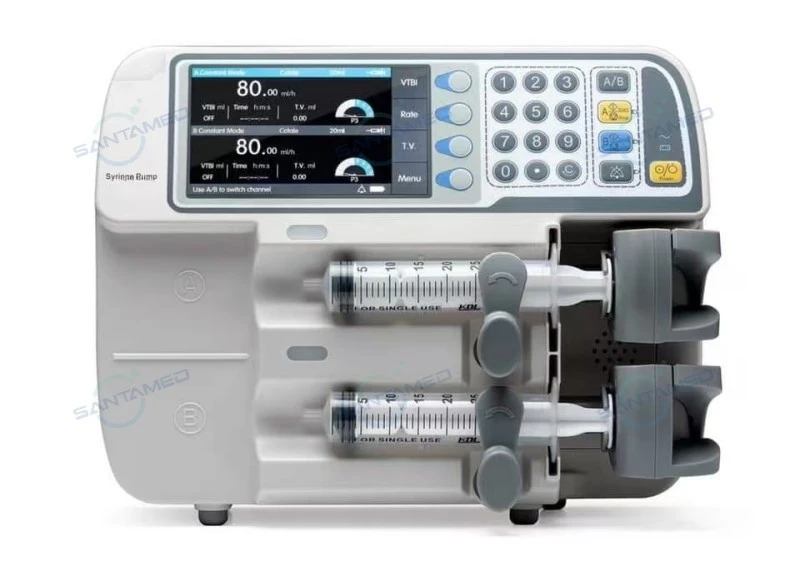
A syringe pump is an infusion device designed to deliver very small amounts of fluid with extremely high precision. Unlike systems that use large-volume IV bags, a syringe pump utilizes a syringe filled with medication. The device drives the syringe plunger at a controlled speed to deliver the fluid.
Hospital Applications for Syringe Pumps:
Administering potent medications, such as insulin, epinephrine, or chemotherapy drugs.
Delivering anesthesia during surgery.
Providing nutrition or medication to newborns, especially when precise, low-volume infusion is critical.
Continuous administration of cardiac medications in intensive care units. Syringe pumps are essential in intensive care environments because they are ideally suited for applications requiring high-precision, low-volume drug delivery. When selecting the best syringe pumps for an ICU setting, hospitals prioritize features such as advanced programming capabilities, precision, safety alarms, and ease of cleaning.
Infusion Pumps vs. Syringe Pumps: Key Differences
While both devices deliver fluids into the body in a controlled manner, they differ in several ways. Below is a detailed breakdown of the key differences:
1. Delivery Volume
Infusion pumps are designed to deliver larger volumes of fluid-typically ranging from 100 mL to over 1 liter-over extended periods. This makes them ideal for fluid replacement, nutritional therapy, or continuous medication infusion. In contrast, syringe pumps deliver small volumes of fluid with exceptional precision, making them perfect for potent medications that require micro-dosing.
2. Typical Applications
Infusion pumps are the preferred choice for treatments requiring steady fluid delivery over hours or days, such as IV drips, pain management, or chemotherapy. Syringe pumps are used in settings requiring high precision, such as intensive care, surgical anesthesia, or fluid administration for premature infants.
3. Fluid Source
Infusion pumps draw fluid from bags or bottles and connect to the patient via an infusion set. As the name implies, syringe pumps use a pre-filled syringe as the fluid source, with the pump controlling the movement of the plunger to dispense the medication.
4. Accuracy
Both types of pumps offer high accuracy, but syringe pumps are specifically engineered for low-volume infusion with superior precision. They can control dosages down to a fraction of a milliliter, making them indispensable in situations where even the slightest error could be harmful.
5. Mobility and Portability
Infusion pumps are generally larger and are typically stationed at the patient's bedside in ICUs or general wards. Syringe pumps are usually more compact and suitable for scenarios requiring mobility, such as patient transfers or emergency situations.
In essence, infusion pumps are reliable workhorses for delivering large volumes of fluid, whereas syringe pumps are precision specialists designed to deliver exact doses in sensitive clinical situations.
Applications in Modern Healthcare
These two types of pumps are widely used across various hospital departments:
Intensive Care Unit (ICU): High-precision administration of life-support medications.
Operating Room: Administration of anesthetics or sedatives during surgery.
Emergency Department: Rapid yet controlled delivery of life-saving medications.
Neonatal Intensive Care Unit (NICU): Precise medication delivery for premature infants.
Oncology Ward: Precise delivery of chemotherapy drugs.
The use of these infusion and injection pumps helps reduce human error, enhance patient safety, and allow healthcare providers to focus on patient monitoring rather than manual fluid administration.