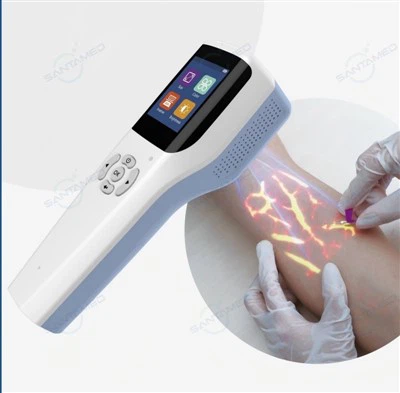
Electrosurgical equipment consists of specialized instruments that use high-frequency electrical currents to assist in surgical procedures. They can cut tissue, coagulate (cauterize) bleeding tissue, or perform both actions simultaneously. These devices have proven indispensable, particularly in minimally invasive surgery and the treatment of soft tissue injuries.
Electrosurgical devices operate by generating a high-frequency current that is transmitted through a specialized handle or electrode system. This current affects tissue in different ways-either by cutting or coagulating. When cutting, the current is regulated to generate enough heat to sever tissue without causing significant bleeding. When coagulating, the current is specifically used to induce blood clotting, thereby stopping bleeding.

Functions of electrosurgical equipment
Electrosurgical devices work by converting electrical energy into thermal energy and applying it directly to the tissue. These devices typically operate at frequencies between 300 kHz and 3 MHz, ensuring the current does not cause dangerous cellular damage. This precise control allows for the cutting of target tissue without damaging surrounding areas.
Three main types of electrosurgery
1. Monopolar electrosurgery:
In monopolar electrosurgery, a single electrode (the active electrode) is used to make contact with the tissue. The current exits the tissue via a return lead connected to a larger electrode placed on the patient's body.
2. Bipolar electrosurgery:
This method involves placing two electrodes directly onto the tissue to be treated. The current flows only between the two electrodes, creating controlled tissue changes directly at the treatment site. This approach is particularly suitable for procedures requiring high precision, such as in ophthalmology or plastic surgery.
3. Plasma electrosurgery:
Plasma electrosurgery is a relatively new technique that transmits electrical current to an ionized gas (plasma). The plasma itself can be used for tissue repair and enables particularly gentle, precise operations, making it suitable for minimally invasive surgery and the treatment of sensitive tissues.
Advantages of electrosurgical equipment
Reduced bleeding: Through tissue coagulation, blood loss during surgery is significantly reduced, thereby shortening procedure times and minimizing the risk of complications.
Precise control: Electrosurgical devices enable precise cutting and tissue manipulation, which is particularly beneficial for complex surgeries involving sensitive areas of the body. Faster healing: Because tissue is excised cleanly and precisely with minimal bleeding, the postoperative
healing process is accelerated.
Versatile applications: From treating tumors to performing laparoscopic or dermatological procedures, electrosurgical equipment is used across a wide range of medical fields.