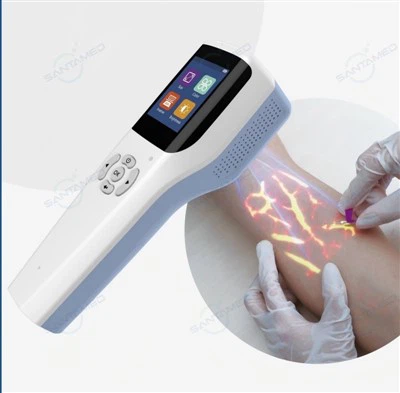
Vital signs monitors provide real-time data on key patient parameters-such as heart rate, blood pressure, blood oxygen saturation, and body temperature. While these monitors are commonly found in hospitals, they also play a crucial role in settings where rapid and accurate assessment is required, such as physician offices, small clinics, and pre-operative preparation areas. In this article, we will explore how vital signs monitors enhance monitoring capabilities in these specific environments.
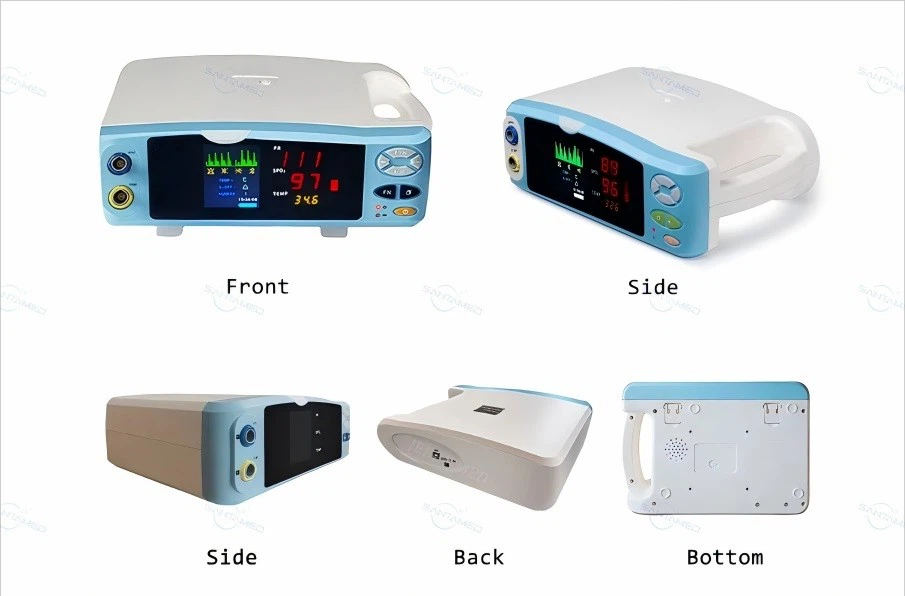
Where Are Vital Signs Monitors Best Suited?
Physician Offices
In a physician's office, efficient patient assessment is paramount. Vital signs monitors enable quick and accurate readings of a patient's vital signs, thereby streamlining routine examination workflows. Available in wall-mounted or mobile stand configurations, these monitors make an ideal choice for the office setting without occupying excessive space.
Small Clinics
Small clinics require vital signs monitors that are both versatile and reliable. In such environments, portable monitors facilitate easy movement between patient rooms, ensuring that every patient receives continuous, uninterrupted monitoring.
Pre-operative Preparation Areas
In pre-operative preparation areas, monitoring vital signs is essential for ensuring a patient's physiological stability prior to surgery. Vital signs monitors assist anesthesiologists and surgical teams in assessing a patient's baseline health status and detecting any abnormalities. Furthermore, these monitors provide real-time updates on the patient's pre-operative condition.
Vital signs monitors play a vital role across a wide range of healthcare settings-from physician offices and small clinics to pre-operative preparation areas. With features such as touchscreens, electronic health record (EHR) integration, and various mounting options, these monitors streamline routine examination workflows and support critical decision-making.