To those who are not anesthesiologists, anesthesia machines may seem like a medical enigma. They are complex devices essential for delivering safe and effective anesthesia during surgery. But what are the fundamental principles of anesthesia, and how exactly do these machines function? Below, we explore these key questions and provide a detailed breakdown of how anesthesia machines operate.
Gas Supply and Pressure Regulators
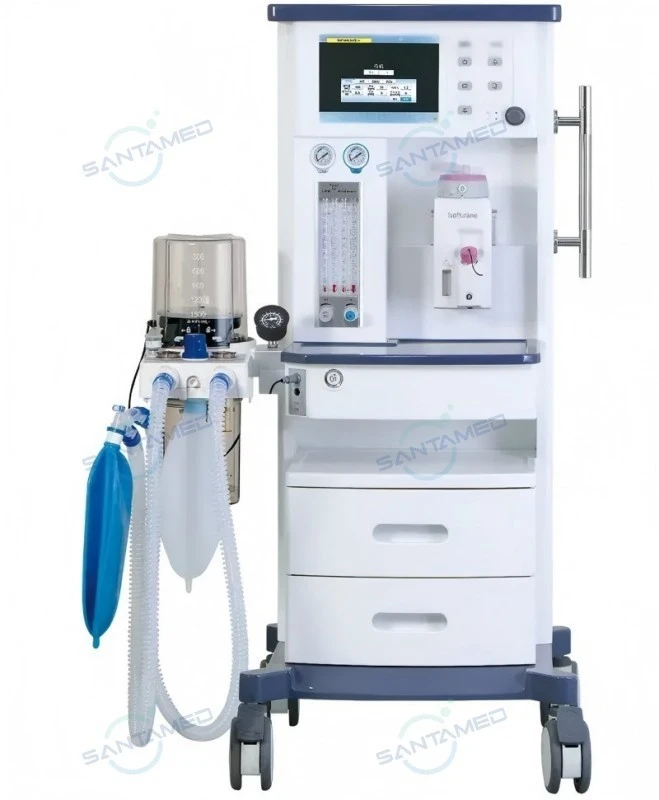
Medical gases-such as oxygen, air, and nitrous oxide-power the anesthesia machine. These gases are supplied either by a central gas supply system or by portable cylinders. Pressure regulators manage the gas supply, ensuring that pressure remains stable and safe. The gas then flows through a series of valves and tubes before finally reaching the patient.
Vaporizers
The vaporizer is a critical component of the anesthesia machine. This device converts liquid anesthetic agents into a gas that the patient can safely inhale. While there are various types of vaporizers, they all function by controlling the flow of gas through a chamber containing the anesthetic agent. Microprocessors precisely monitor gas flow to ensure the patient receives the appropriate dosage.
Breathing Circuit
The breathing circuit is a system of tubes, valves, and sensors designed to deliver anesthetic gas to the patient and monitor their breathing. This circuit includes a mask or tracheal tube that channels gas into the lungs. It also removes carbon dioxide produced by the patient's metabolism. Built-in pressure sensors and alarm systems ensure normal breathing and allow for the rapid detection of any issues.
Monitoring Equipment
Anesthesia machines are equipped with various devices to monitor the patient's vital signs during surgery. These monitors track parameters such as blood pressure, blood oxygen saturation, heart rate, and respiratory rate. If any vital sign falls outside the normal range, the machine triggers an alarm and displays a warning. This level of monitoring is crucial for the early detection of potential problems and the prevention of complications.